People, Places, and Things #6
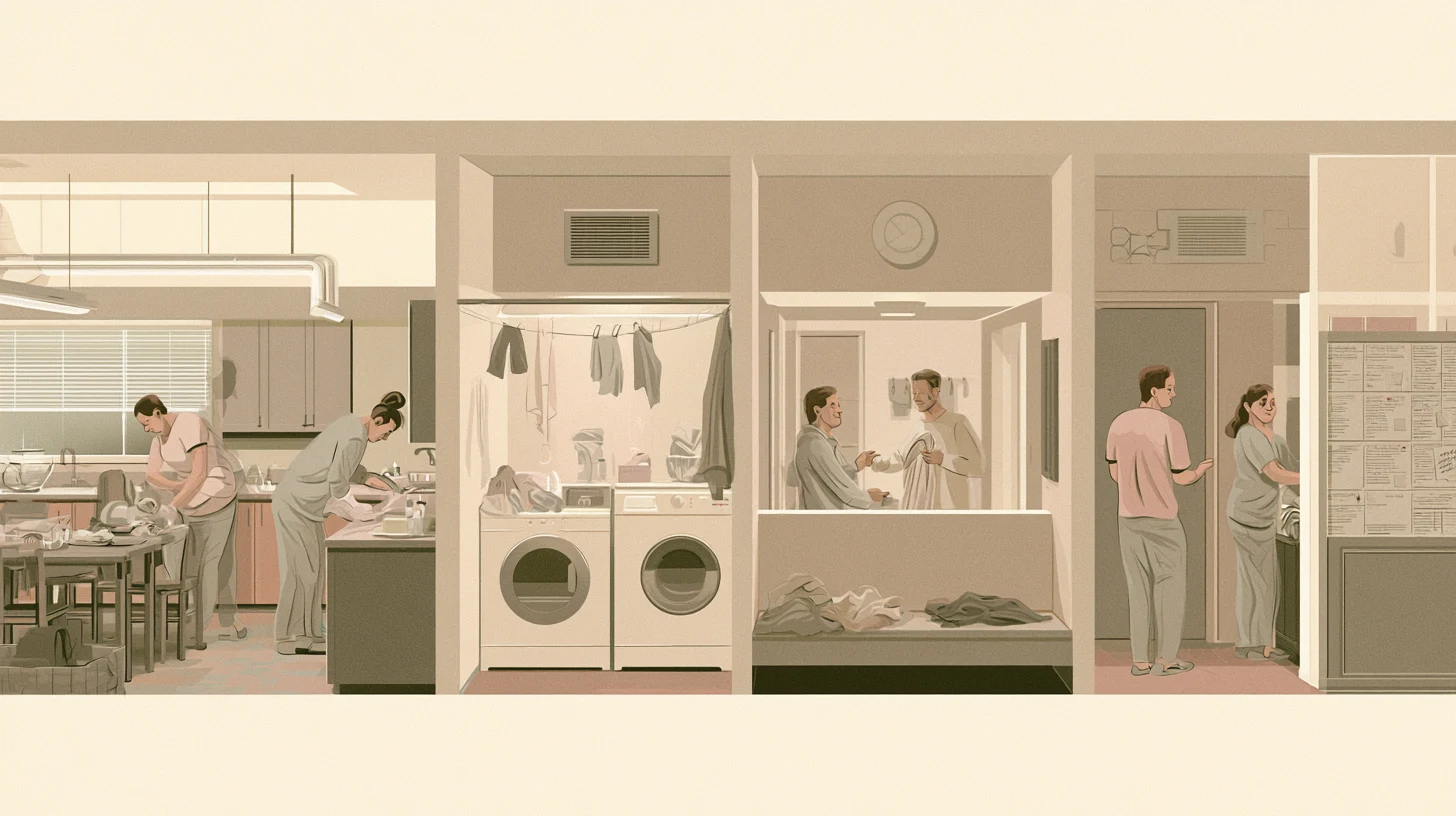
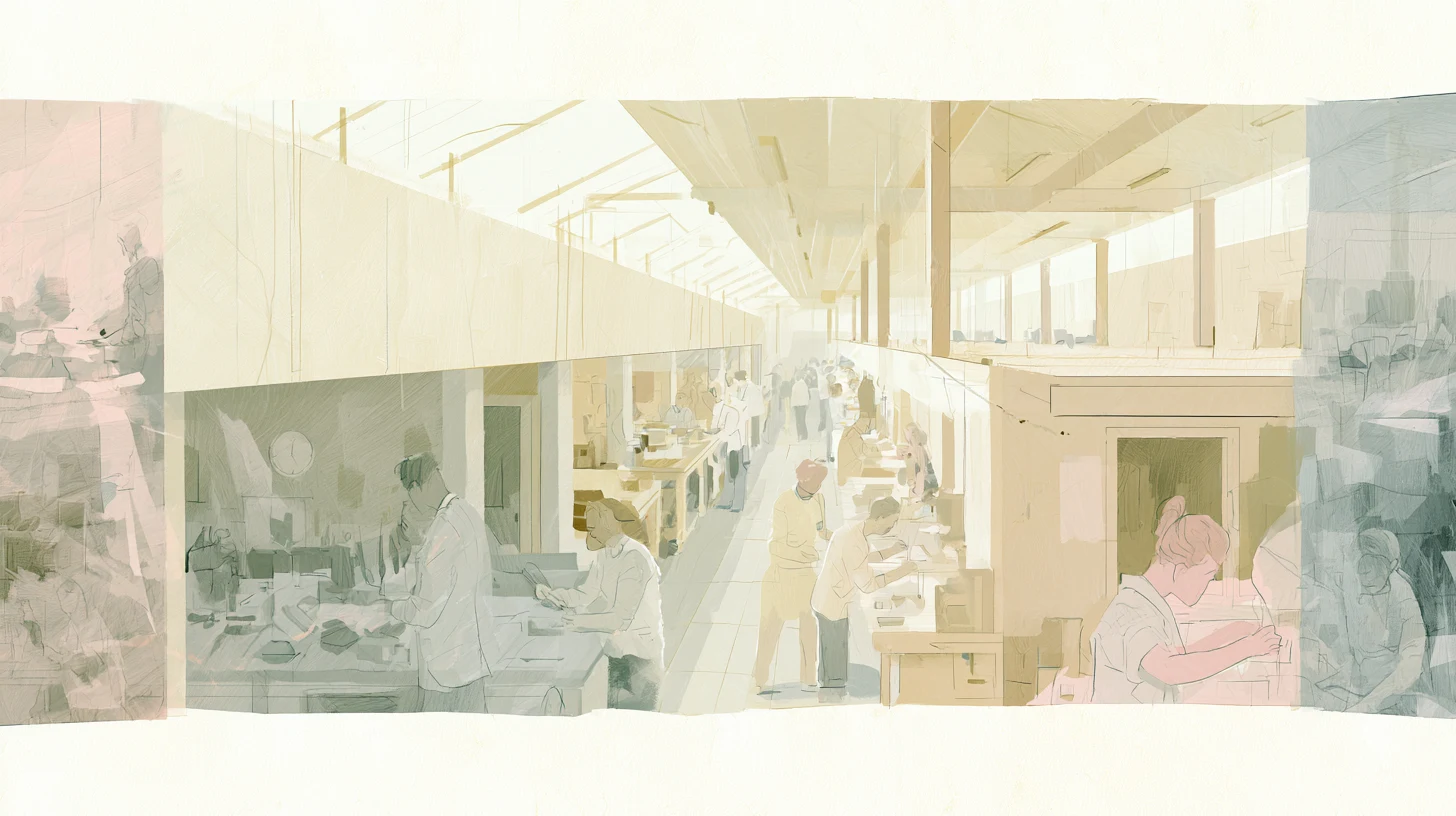
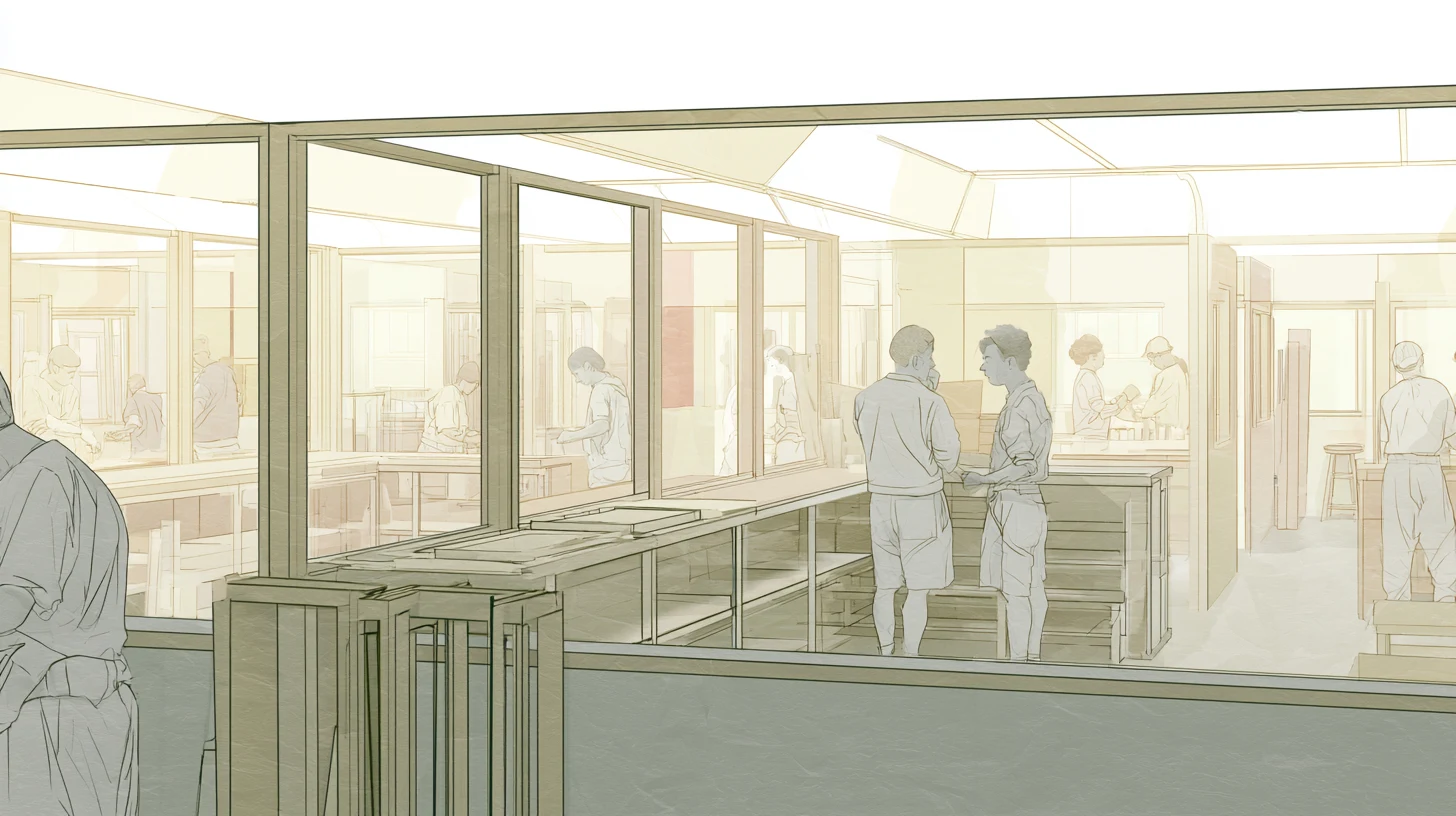
Recovery requires treating people, places, and things as active training for the nervous system, recognizing that repeated exposure quietly normalizes either chaos or accountability and can either erode or protect fragile new intentions, so that identity change means aligning environment with the person being practiced rather than trying to out-will old contexts.
My environment is not background. It is instruction.
The people I spend time with, the places I keep returning to, and the things I keep exposing myself to are constantly teaching my nervous system what is normal, what is acceptable, and what kind of person I am allowed to become. Even when I think I am just “hanging out” or “killing time,” my system is still taking notes. It is learning what to expect, what to tolerate, and what to reach for next.
A lot of the time, I think people focus on willpower without recognizing how much the environment matters. It is easy to talk about “making better choices” as if those choices are happening in a vacuum. But my choices are happening inside a context that is already pushing me in certain directions, already making some behaviors feel obvious, and others feel strange or out of reach.
If I keep surrounding myself with chaos, it starts to feel more natural, even normal.
If I keep surrounding myself with negativity, negativity starts feeling reasonable.
If I keep surrounding myself with accountability, structure, and growth, those things slowly begin to feel more natural too.
Over time, this repetition changes what feels familiar and what feels foreign. Chaos can start to feel like “home,” and calm can feel uncomfortable. Negativity can sound like honesty, and hope can sound naive. On the other side, when I stay around people who show up, tell the truth, and take responsibility, that starts to feel less threatening and more like the baseline I want to live from.
In that sense, people, places, and things do not just trigger behavior. They train identity. They are not only setting off reactions in the moment; they are rehearsing who I think I am and what I think is possible for me. My environment is constantly reinforcing a story about me, and if I am not paying attention, I can end up living out a story I never consciously chose.
In the past, I sometimes believed I could keep the same environments and still become a completely different person through intention alone. I wanted to believe that if I just tried hard enough, I could out-think or out-will the influence of the people I was around, the rooms I kept walking into, and the habits I kept returning to. I underestimated how much those repeated exposures were quietly pulling me back into old versions of myself.
Recovery is teaching me that intention needs protection. It is not enough to want change; I have to guard that desire from what keeps eroding it. My intentions are fragile when they are new. They can be drowned out by old patterns, old dynamics, and old environments that are very practiced at getting me to behave the way I always have.
The version of me I am trying to build needs an environment that supports it. Otherwise, I may keep trying to act new while staying surrounded by what reinforces the old. That split—new behavior inside an old environment—creates a lot of internal friction. I end up feeling like I am fighting everything around me just to take one different step, and eventually that fight becomes exhausting.
This connects directly to “act as if,” because practicing a new identity becomes easier when my environment supports the behavior I am trying to repeat. “Act as if” is not just about pretending to be different in isolation; it is about repeatedly behaving in alignment with the person I am trying to become, in spaces that do not constantly undermine that behavior. When the room I am in, the people I am with, and the routines I follow are all pointing in the same direction as my “act as if,” the repetition has a chance to take root. It also connects to a sense of entitlement, because entitlement can make me believe I should be able to grow without changing what I repeatedly expose myself to. There is a part of me that wants transformation without inconvenience, without letting go of familiar people or comfortable patterns. That part says, “If I really mean it, I should be able to stay exactly where I am and still become someone new.” Recovery keeps confronting that belief as unrealistic and, in some ways, self-sabotaging.
So for me, people, places, and things mean understanding that my environment is either helping me rehearse recovery or helping me rehearse relapse patterns. There is not much neutral ground. Every repeated exposure either strengthens the identity I am trying to build or reinforces the one I am trying to step out of.
I am trying to become more intentional about what I allow around me, because what I stay around eventually shapes who I become. That means paying attention to who I call, where I go when I am tired or stressed, what I watch, what I listen to, and what I treat as “no big deal.” All of that is curriculum for my nervous system. If I want a different identity, I have to participate in building an environment that keeps teaching me how to live it.