People, Places and Things #10
People, places, and things rehearse either old patterns or a more honest self, so responsibility includes arranging environments that make integrity easier to practice.
People, places and things describes how my environment participates in my recovery. Early on, it mostly sounded like a warning list: avoid certain people, stay away from certain places, remove certain things. It felt like a set of external rules meant to keep me out of trouble. But it goes deeper than avoidance. It is not just about staying away from obvious danger; it is about understanding how my surroundings quietly shape who I become in real time.
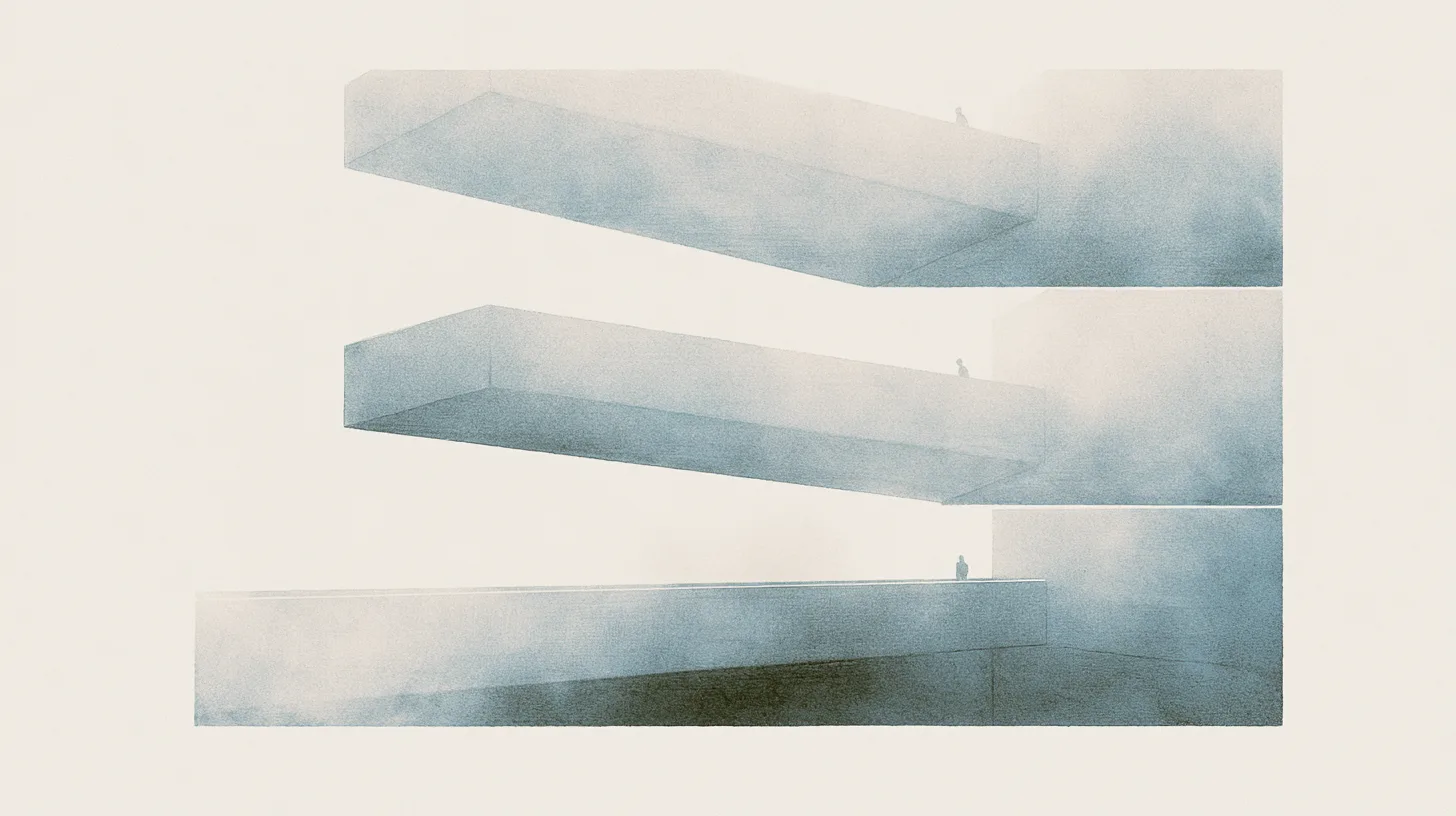
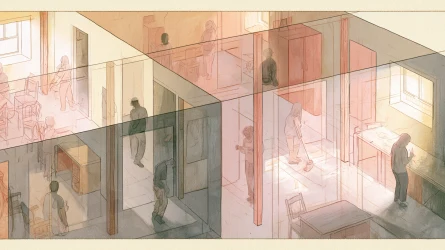
People, places and things are not merely scenery around my behavior. They are part of the architecture that makes certain behaviors—and certain versions of me—more available. When I walk into a room, I am not entering a neutral space. I am stepping into a structure that already has patterns, expectations, memories, and habits attached to it. Some of those patterns support recovery; some of them rehearse relapse long before anything “dramatic” happens.
Some people call honesty out of me. With them, it feels more natural to say what is actually going on, to admit confusion, to name cravings, to talk about fear without dressing it up. Around them, my recovery language is available. Other people make the old mask useful again. With them, I feel the pull to perform, to minimize, to pretend I am fine, to hide the parts of my story that might disrupt the image they have of me—or the image I still want them to have. The same “me” walks into both relationships, but different versions of me become easier or harder to access depending on who I am with.
Some places support the person I am becoming. Certain rooms, meetings, routines, or even simple routes I walk are now associated with honesty, structure, and participation. When I go there, my nervous system already expects a certain kind of behavior from me. Other places remember a version of me that can return before I have consciously decided to return. I can step into an old bar, a familiar neighborhood, or even a particular apartment complex, and feel my body and mind start to move toward old scripts. I might not have “decided” anything yet, but the environment is already voting for a previous identity.
Some things are not dangerous by themselves, but they carry rituals, access, associations, or permission. A certain app, a particular drawer, a browser tab, a bottle, a playlist, a contact in my phone—none of these objects are inherently moral or immoral. But they can function as doors. They can hold the memory of how I used them before. They can shorten the distance between a passing thought and an acted-out behavior. Sometimes the object is less important than the ritual that comes with it: the time of day, the way I sit, the way I close the door, the way I justify “just checking.” These are all part of people, places and things.
This does not remove my responsibility. It deepens it. If my environment participates in my behavior, then pretending it is neutral is a form of dishonesty. Responsibility is not just about what I do in the moment of crisis; it is also about how I arrange my life so that certain crises become less likely and certain forms of honesty become more available.
Responsibility includes respecting the conditions under which I become least honest with myself. I know there are combinations of fatigue, loneliness, unstructured time, certain people, certain locations, and certain objects that reliably distort my judgment. When I ignore that knowledge, I am not being brave; I am being reckless with information I already have. Respecting those conditions means I treat them as real, even when part of me wants to pretend I am “past all that.”
I do not have to prove my strength by walking through every old doorway. Recovery is not an obstacle course where I earn points for exposing myself to maximum temptation and surviving. Sometimes strength is refusing to conduct another experiment with a result I already survived. I already know what happens when I combine this person, that place, and that object with a certain emotional state. I do not need more data. Choosing not to repeat the experiment is not weakness; it is participation in reality.
So the question is not only, “Can I handle this person, place, or thing?” That question keeps the focus on willpower and momentary control, as if the only measure that matters is whether I can get through a single encounter without obviously acting out. It ignores what is quietly being rehearsed underneath.
The better question is, “Who do I begin becoming in its presence?” What starts to wake up in me when I am around this person, in that place, or holding that thing? What stories do I start telling myself? What do I begin to minimize, justify, or hide?
Do I become clearer or more divided? Do I find it easier to say what is true—or do I start editing my own awareness before I even speak? Do I feel more integrated, or do I feel like I am splitting into a public self and a private self again?
More accountable or more secretive? Around this environment, do I naturally think about calling someone, telling on myself, naming what is happening—or do I start planning how not to mention this later? Do I leave with more people who know the truth about me, or fewer?
Does this environment rehearse my future—or audition my past? Some environments help me practice the person I am trying to become: honest, connected, structured, responsive to reality. Others are like casting calls for an older role I used to play, inviting me to step back into it “just for a moment.” The behavior might not change immediately, but the rehearsal begins long before the obvious scene.
People, places and things are part of the recovery structure whether I acknowledge them or not. Recovery is not asking me to fear the world or condemn everyone and everything from my past. It is asking me to stop pretending every environment is neutral while my identity is still being rebuilt. I am still impressionable. My surroundings still have leverage. A practical standard is to keep asking: in the presence of this person, in this place, with this thing available, am I becoming more honest and more accountable—or more divided and more secretive?