Remember Where You Came From #11
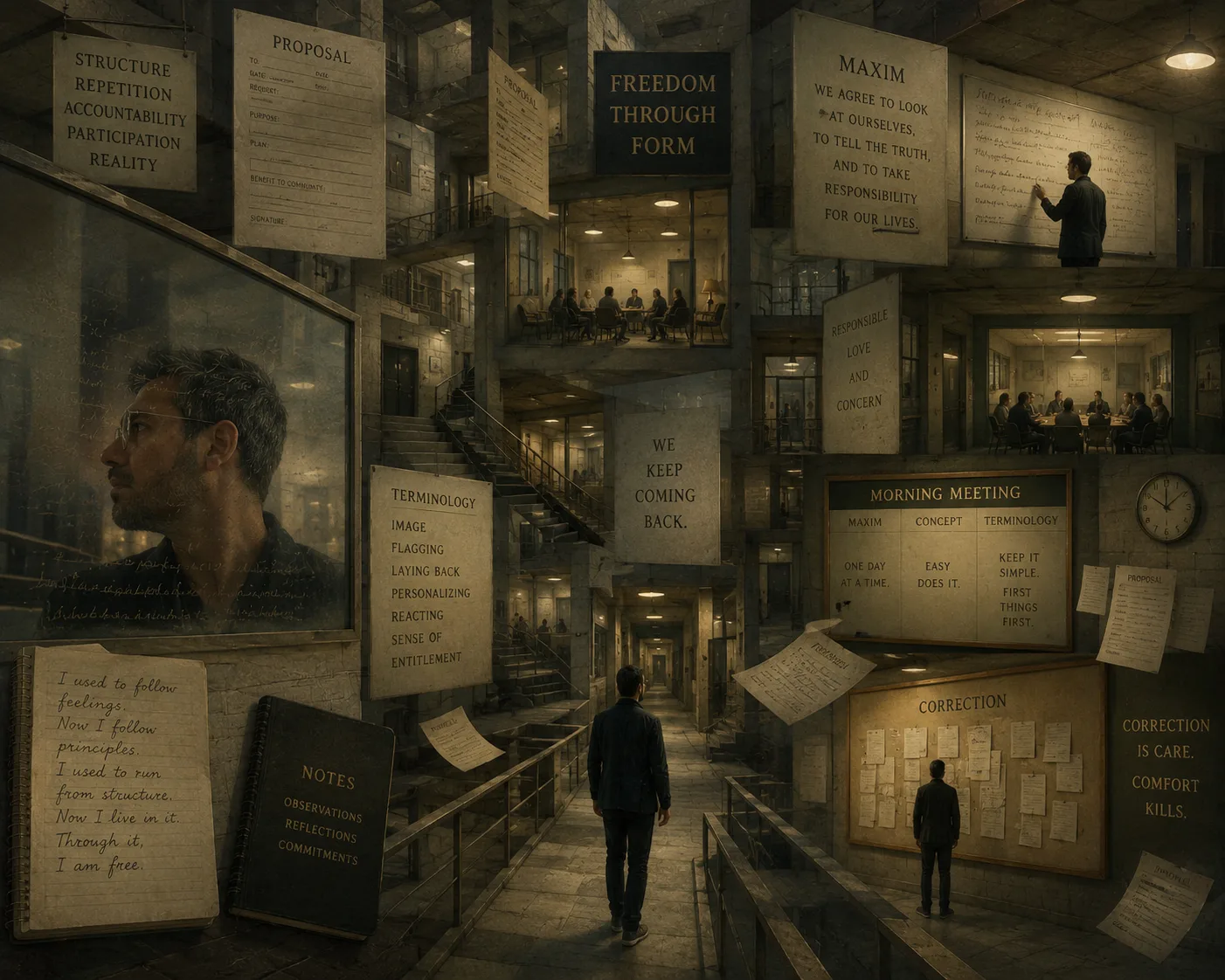
Remembering where you came from means keeping memory honest enough to resist romanticizing danger, so past routes become warnings instead of invitations back home.
Remember where you came from is not an instruction to remain ashamed of my past. It is a reminder about how I relate to it. Shame says the past defines me. Recovery says the past must inform me, and that difference changes how I look back.
I do not remember where I came from so I can punish myself. I remember because time can make danger look less dangerous. Distance can blur the edges of what actually happened until it starts to feel smaller, softer, or almost harmless.
Once I have some stability, structure, recognition, or distance from the worst consequences, I can begin editing the old life. I start selecting scenes. I remember the excitement and forget the fear. I remember the relief and forget the cost. I remember surviving and forget what other people had to survive beside me. The same events become a different story when I leave out the parts that hurt.
Memory becomes protective when it remains honest. Honest memory does not erase the thrill or the relief, but it refuses to separate them from the damage that traveled with them. It keeps the whole picture in view instead of just the parts that are easier to carry.
I need to remember not only the final collapse but the smaller withdrawals that came before it: when I stopped asking for help, stopped listening, stopped participating, and began privately deciding that nobody understood me. Those were not random moments. They were early signals that I was turning away from connection and toward my own private logic.
I need to remember how quickly isolation became distortion—and how quickly distortion became permission. The more I pulled back, the more my thinking bent around what I wanted, and the easier it became to treat that bent thinking as justification.
Remembering where I came from means refusing to romanticize the road simply because I am no longer standing at its worst destination. It means noticing when I start to miss the rush but conveniently ignore the wreckage.
My past should not become a home. It is not a place I can safely move back into just because I know the layout. It should become a map marked with places I cannot afford to mistake for shortcuts again, a record of routes that looked efficient or exciting but always led me somewhere I could not actually live.