Feelings Are Not Facts #13
Separating persuasive emotions from external reality protects recovery by slowing decisions, testing evidence, and letting feelings speak without letting them rule.
Feelings are not facts; they are incredibly persuasive experiences that can feel like the only truth in the room.
They do not simply visit me.
They argue.
Fear tells me I am in danger.
Shame tells me everyone sees me as broken.
Loneliness tells me nobody cares.
Hopelessness tells me nothing will ever change.
None of those emotions are lying. They are reporting something real about my internal state, about what hurts, what I fear, what I long for, what I am afraid to lose. But none of them are qualified to determine reality. They are not neutral observers. They are not good at scale, proportion, or time. They are loud, immediate, and convincing, but they are not the same thing as the facts of my life.
Feelings describe my internal weather.
Facts describe the world.
If I confuse those two things, I begin making permanent decisions based on temporary emotional climates. A passing storm starts to look like the whole forecast for my life. I stop noticing that weather moves, that it can shift, that what feels absolute in the moment may look very different a few hours or days later.
I have done that countless times.
I have ruined conversations because I felt attacked, reacting to my sense of threat instead of what was actually being said.
I have withdrawn because I felt unwanted, treating that feeling as proof that I did not belong.
I have believed people had abandoned me long before they actually did, living inside that belief as if it were already a settled fact.
Recovery has forced me to ask a question I never used to ask:
“What evidence do I actually have?”
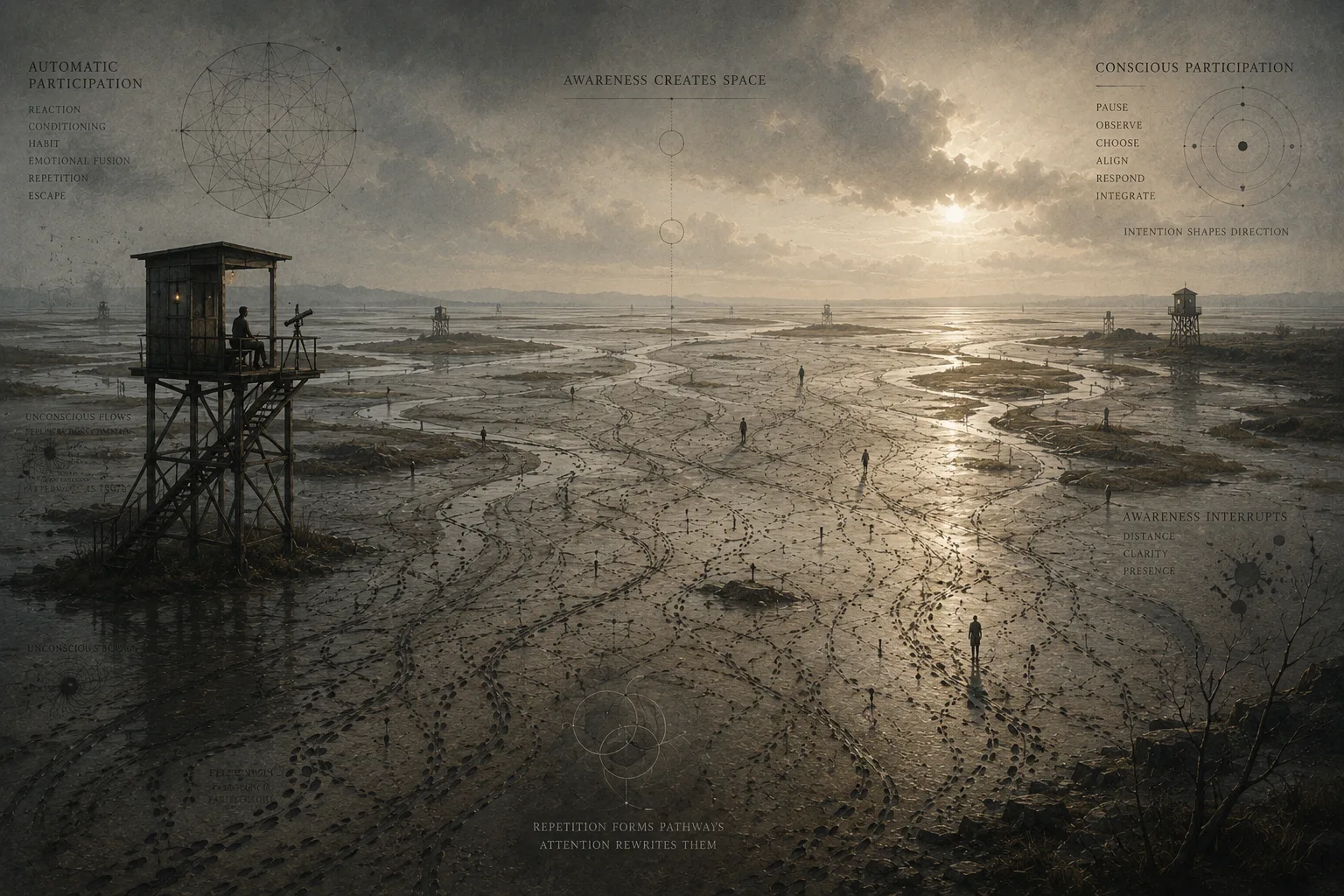
That question interrupts the automatic merger between emotion and reality. It makes me slow down long enough to separate what I feel from what I can actually see, name, or verify. It does not make the feelings disappear, but it keeps them from quietly rewriting the story of what is happening.
That question has probably saved my recovery more times than motivation ever has.
Because emotions are allowed to speak.
They are simply not allowed to become judges.