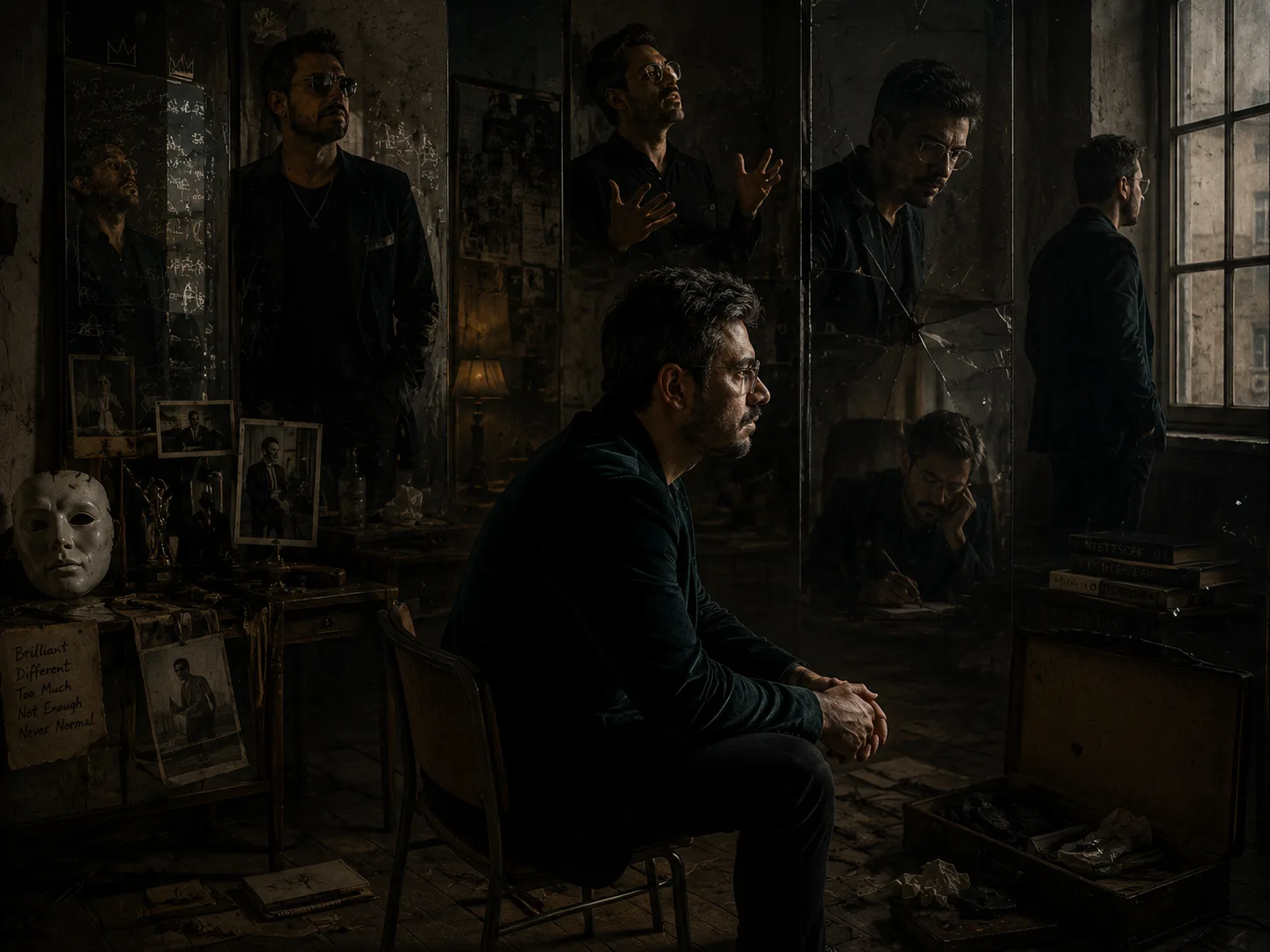
I Learned How To Love You Too Late
A reflection on mistaking intensity for love, recognizing safety as the deeper request, and learning through recovery that love becomes trustworthy through structure, restraint, consistency, and repeated accountable action.
For most of my life, I believed that love was measured by intensity.
The more I thought about someone, the more I loved them. The more I worried about them, sacrificed for them, suffered for them, forgave them, and longed for them, the more convinced I became that what I felt was profound.
Love was devotion.
Love was sacrifice.
Love was emotional magnitude.
And because I felt so much, I believed I loved well.
The tragedy is that I was only partially right.
I did love deeply.
But I did not yet understand how to love safely.
That distinction has become one of the most painful lessons of my life.
When I look back on the relationship that shaped me more than any other, I can now see something that was invisible to me at the time.
I thought the woman I loved wanted more love.
I cannot claim to know her experience perfectly. I can only name what I now believe I failed to understand.
She did not seem to be asking for more love.
She seemed to be asking for a different kind of love.
For a long time, I tried to convince her of how deeply I loved her. I thought that if she could somehow see inside my mind—see how often I thought about her, how much I worried about her, how much I suffered when things became difficult, how much I was willing to sacrifice—she would finally feel loved.
But that was never the problem.
The problem was that I was trying to solve a safety problem with intensity.
And intensity is a terrible substitute for safety.
What I now believe she was asking for was something very simple.
Home.
Not a place.
An atmosphere.
A presence.
It took me a long time to understand what that actually meant.
Home did not mean another declaration. It did not mean dramatic apologies, grand gestures, or promises about the future. Home meant emotional predictability. It meant trust. It meant not feeling trapped. It meant not feeling abandoned when conflict arrived. It meant knowing that the person beside her would remain beside her when things became difficult.
Home meant safety.
While I was trying to love her harder, I can see now that the deeper request was for safety.
Part of the reason I missed this is that intensity feels remarkably similar to love.
It feels alive.
It feels romantic.
It feels meaningful.
Because it arrives with such force, we often mistake it for virtue. We assume that because something feels enormous, it must therefore be good.
But intensity is simply energy.
And energy by itself has no direction.
A wildfire is intense.
A hurricane is intense.
A panic attack is intense.
Intensity alone is not virtue.
Intensity alone is not love.
Intensity alone is not safety.
This does not mean intensity was meaningless.
Intensity has its own kind of truth. It can reveal what matters. It can tear through denial. It can expose the places where a person is still frightened, attached, immature, desperate, or alive. In some ways, intensity helped bring me to recovery because it made certain forms of avoidance impossible.
But intensity can only awaken.
It cannot sustain.
It can show us what we care about, but it cannot teach us how to care for it. It can create the crisis in which transformation becomes necessary, but it cannot replace the discipline that transformation requires.
Looking back, I can see how thoroughly I confused the feeling of love with the practice of love.
I measured love through emotional expenditure. If I were hurting, I must love deeply. If I were sacrificing, I must love deeply. If I were willing to forgive endlessly, think endlessly, and worry endlessly, then surely I must love deeply.
What I did not understand is that many of those things say more about attachment than they do about love.
The cruel irony is that I now think the woman I loved may have been trying to teach me this lesson.
Not through philosophy.
Through her reactions.
She was never reassured by my declarations as I expected. She was never particularly moved by dramatic promises. At times, that frustrated me. I thought she was missing the point.
Now I realize I was the one missing it.
She was not rejecting my love.
She was rejecting the form in which it arrived.
The painful part is that I was not withholding what I valued.
I was offering what I believed was most valuable.
If someone had loved me with that kind of intensity, I would have felt chosen. If someone had thought about me constantly, worried about me constantly, and sacrificed for me constantly, I would have interpreted it as devotion.
In many ways, I was trying to love her the way I wanted to be loved.
But love becomes dangerous when we assume others need what we do.
What feels nourishing to one person can feel suffocating to another.
What felt like devotion to me often felt like pressure to her.
What felt like passion to me often felt like instability to her.
What felt like proof of love to me often felt like evidence that something was wrong.
I was offering the language I spoke most fluently.
The tragedy is that it was not the language she needed.
What I did not understand then was that the lesson I now believe she may have been trying to teach me and the lesson recovery would later teach me were, in many ways, the same lesson.
Recovery finally gave me the ears to hear what I believe I had failed to hear all along.
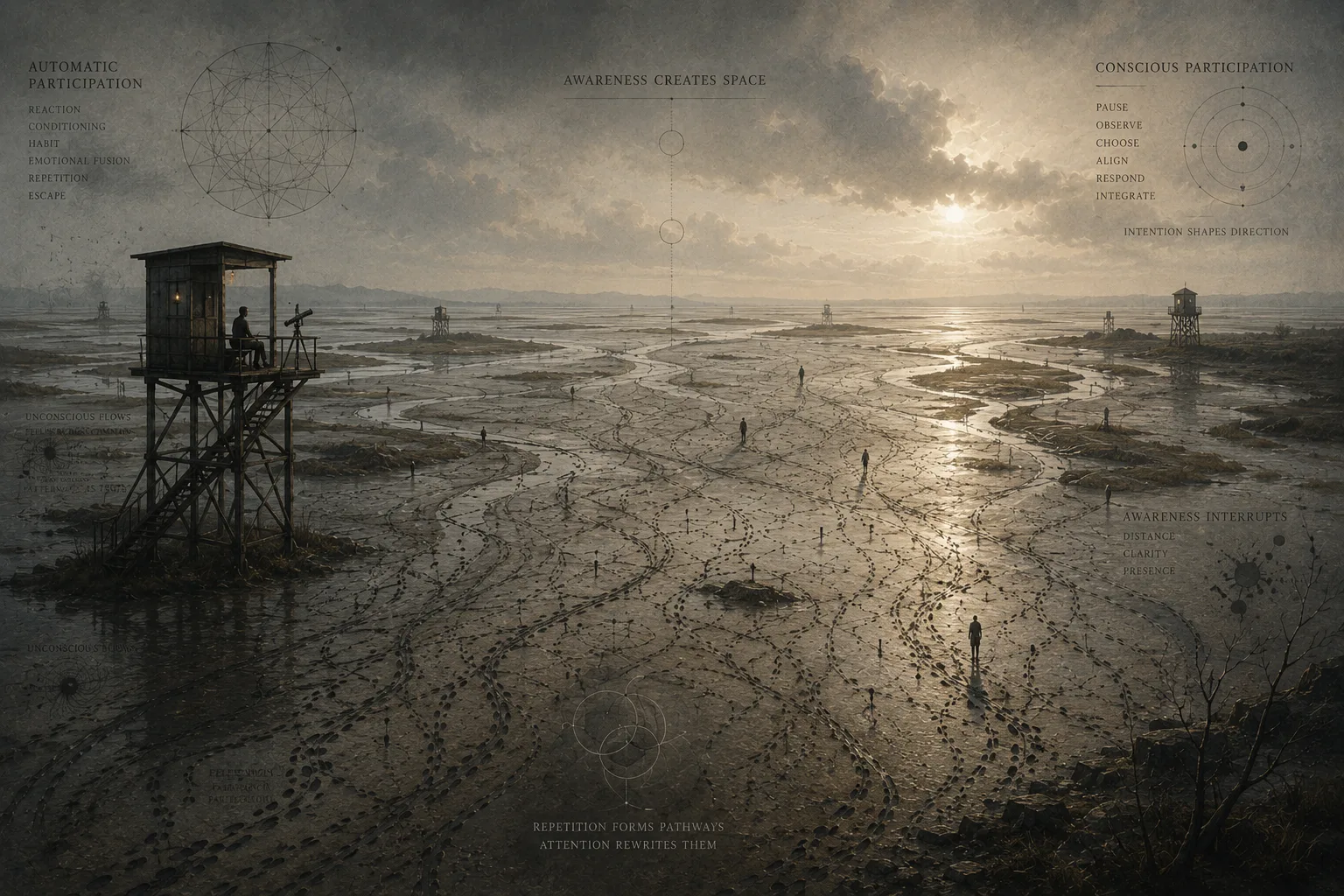
Because recovery is not built on intensity.
Recovery is built on repetition.
Nobody recovers through a single heroic moment. Nobody transforms through one enormous decision. Nobody becomes trustworthy through a declaration.
Recovery happens through the quiet accumulation of actions repeated over time. Structure. Discipline. Accountability. Participation. The willingness to return to what matters again and again after motivation has faded.
Day after day.
Week after week.
Month after month.
The transformation is not dramatic.
It is cumulative.
Eventually, I began noticing something unsettling.
The same principles that were saving my life were also the principles that would have made me a safer partner.
The qualities that sustain recovery are the same qualities that sustain love.
Reliability.
Groundedness.
Humility.
Patience.
Restraint.
Emotional regulation.
The ability to return to what matters repeatedly.
Safe love is far less glamorous than intense love.
From the outside, it almost appears boring.
It does not generate dramatic stories. It does not produce heroic speeches. It rarely creates the emotional fireworks that people mistake for passion.
Instead, it keeps showing up.
Again.
And again.
And again.
Safe love chooses the relationship when excitement fades. It chooses listening over proving. It chooses grounded action over emotional performance. It chooses restraint when the ego wants victory.
What makes safe love difficult is that intensity often feels easier.
Anybody can make a declaration in a moment of overwhelming emotion.
Anybody can promise forever during a moment of fear.
Anybody can produce intensity.
The harder task is returning tomorrow.
And the day after that.
And the day after that.
The harder task is remaining trustworthy when no dramatic moment demands it.
The harder task is becoming predictable.
Recovery taught me that transformation is not measured by emotional peaks.
It is measured by what survives after the peaks disappear.
Love may work the same way.
I once believed freedom meant expressing every emotion fully.
Now I think freedom means choosing how to act despite emotion.
That is a lesson recovery taught me.
And it is a lesson love was trying to teach me long before recovery ever did.
Intensity appears to be freedom because it follows impulse wherever impulse leads.
But much of what I once called freedom was emotional compulsion.
Safe love asks more of us.
It asks us to pause.
To choose.
To consider consequences.
To act in the service of something larger than our immediate feelings.
The paradox is that what once felt restrictive now feels liberating.
The ability to choose one’s actions is a deeper freedom than the inability to resist one’s impulses.
Intensity appears to be freedom.
Safe love is actual freedom.
The deepest grief I carry today is not that I loved too little.
It is that I finally understand what I believe I failed to understand.
I understand why safety mattered.
I understand why consistency mattered.
I understand why trust mattered.
I understand why home mattered.
And I understand all of this at the exact moment I may no longer have the opportunity to give it to her.
That realization aches in a way few things ever have.
Because the cruel irony is that I may finally be capable of loving her the way I now believe she needed, after it is too late to offer it.
Recovery did not make me that man in a single revelation.
It began teaching me what it would take to become that kind of man.
Not as an identity I could claim, but as a discipline I would have to practice. Not as a declaration, but as a way of living that would have to become visible over time.
And now I live with the possibility that I learned the lesson after the classroom closed.
I do not know what this realization means for the future.
I only know that it has changed what I am responsible for now.
Perhaps that is why this realization feels so heavy.
Not because I loved too little.
Not because I cared too little.
But because I finally understand the difference between being chosen for a moment and becoming a place where someone can rest.
For years, I thought love was measured by how intensely two people could feel.
Now I suspect it is measured by how safely two people can remain.
Intensity makes people feel alive.
Safety allows them to stay.
I spent years learning how to love harder.
Recovery is teaching me how to love safely.