Change #3
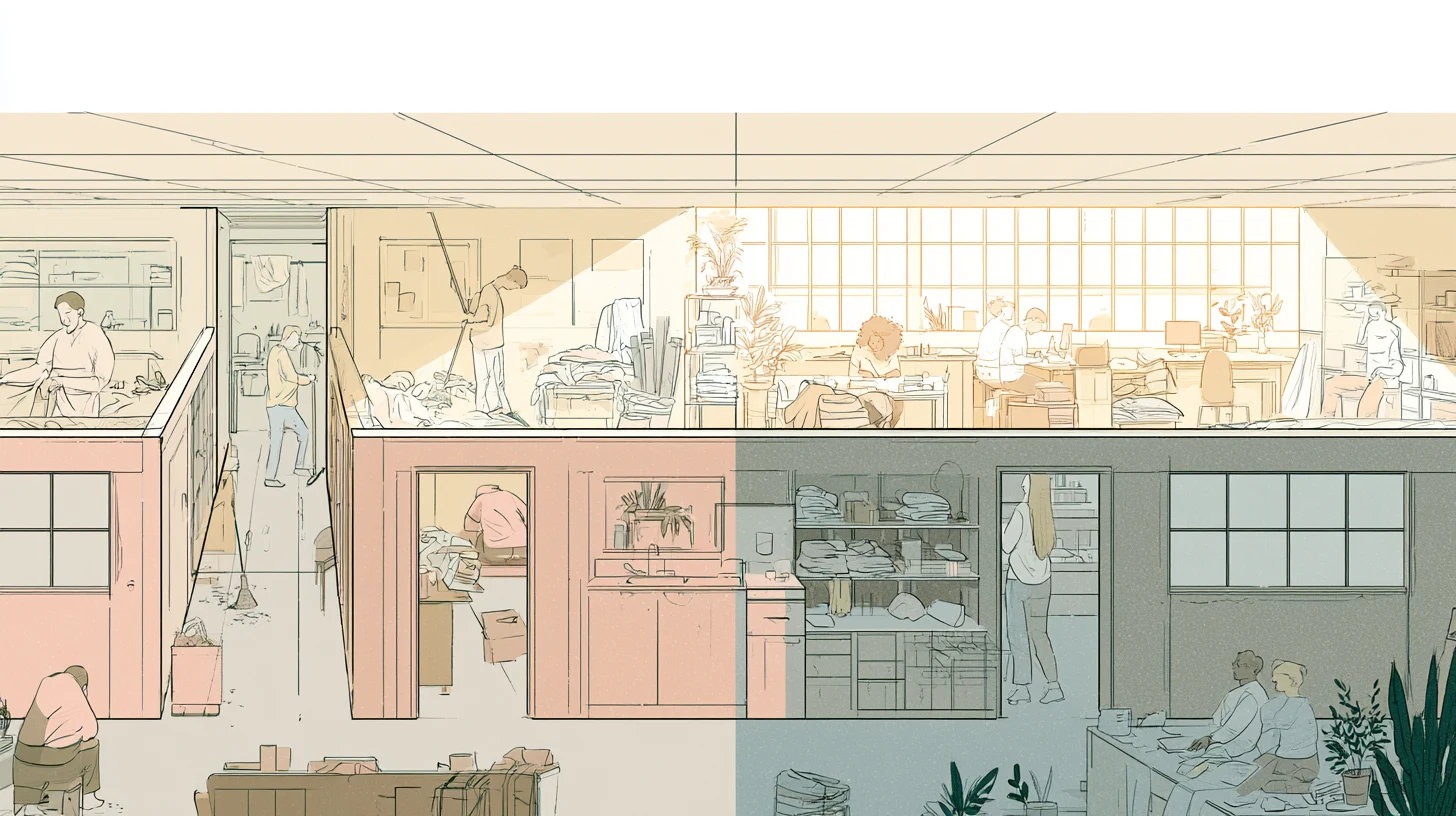
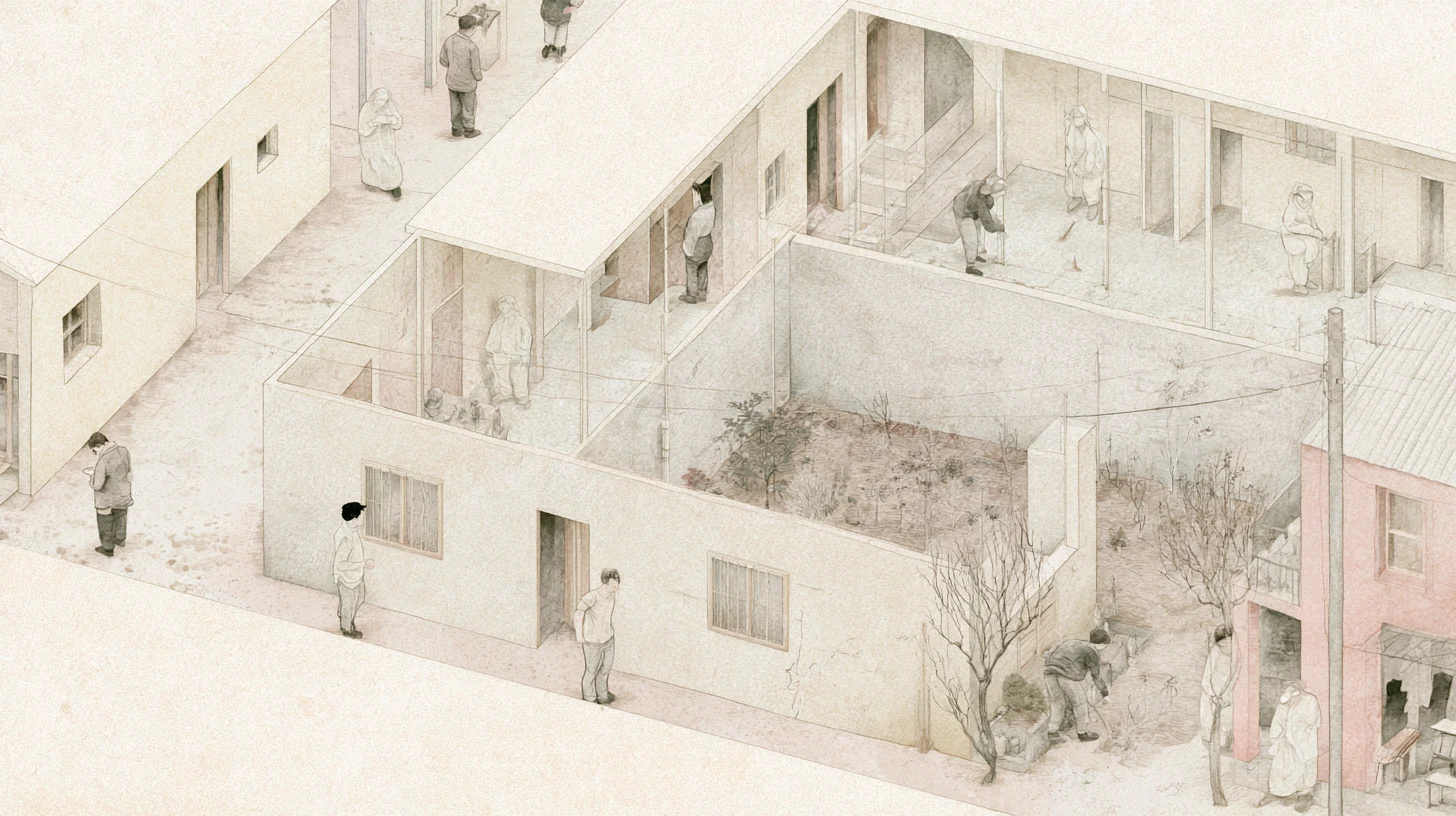
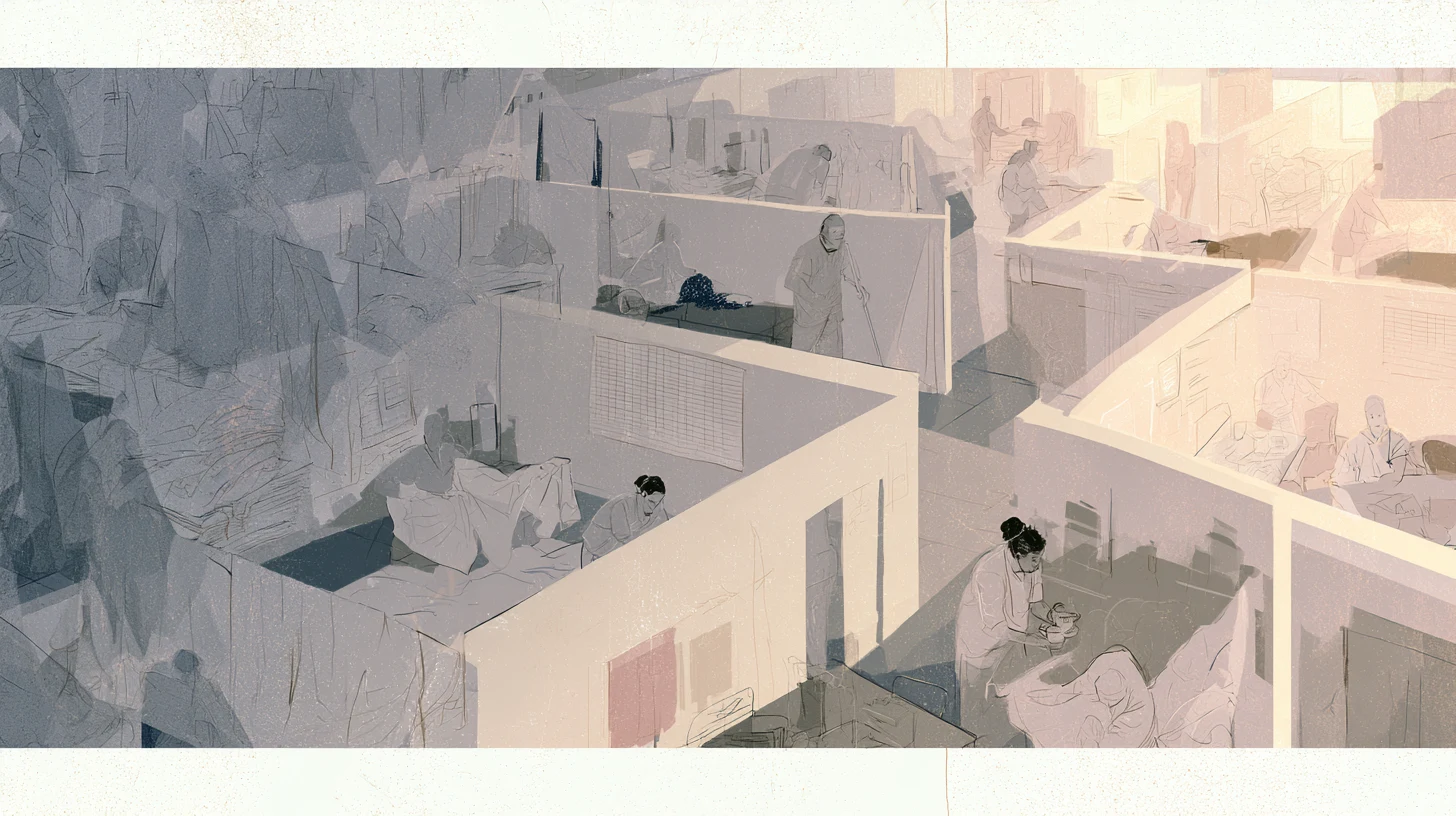
Change rarely happens all at once. More often, it appears as the gradual restructuring of patterns over time. For a long time, I tended to imagine change as something dramatic—a breakthrough or sudden realization that would alter my internal landscape all at.
Change rarely happens all at once. More often, it appears as the gradual restructuring of patterns over time.
For a long time, I tended to imagine change as something dramatic—a breakthrough or sudden realization that would alter my internal landscape all at once, leaving life fundamentally different in its wake.
Recovery is beginning to reveal that meaningful change often unfolds in quieter, less conspicuous ways.
Most of the time, change emerges through repetition and awareness—by consistently interrupting old patterns and reinforcing new ones until, over time, these patterns begin integrating into the structure of identity itself.
In this sense, change is less about becoming someone entirely new and more about loosening the hold of patterns that once defined me.
Looking back, I notice how often I expected transformation to announce itself through obvious emotional shifts before I could trust that it was taking place. When change did not feel immediate or intense, I often assumed that nothing significant was happening.
Recovery is beginning to clarify that sustainable change tends to feel gradual as it unfolds, since identity shifts slowly through accumulated behavior over time.
Small repeated actions, honest reflection, emotional regulation, accountability, structure, awareness, participation, and discipline often seem insignificant in isolation. Yet over time, these practices quietly begin to reorient a life.
What feels increasingly important now is recognizing that change requires patience with the process itself.
Old patterns did not form instantly, and most meaningful forms of growth do not emerge quickly either. The more consistently I reinforce awareness rather than impulsivity, structure rather than chaos, honesty rather than distortion, and participation rather than withdrawal, the more gradually my internal life begins shifting as well.
This relates to the idea that consistent participation in aligned action gradually creates momentum, structure, and stability that may not be immediately visible. It also connects to the challenge of reaction, since change becomes difficult when behavior remains organized primarily around immediate emotion rather than conscious awareness.
Recovery is teaching me that change is not only about what I feel internally. It is also about what I repeatedly reinforce behaviorally.
That process requires a kind of trust because part of me still looks for immediate evidence that transformation is occurring. But recovery is beginning to clarify that some of the most meaningful changes become visible only after they have been quietly developing beneath the surface for a long time.
For me right now, the work is learning to trust the cumulative effect of disciplined action rather than searching for instant transformation or emotional certainty.
Change is rarely a single dramatic moment.
More often, it is the gradual restructuring of life through the patterns I continue reinforcing each day.