Change #5
Change shifts from rearranging circumstances to steadily weakening an old internal operating system through repeated, aware choices that strip the pattern of authority.
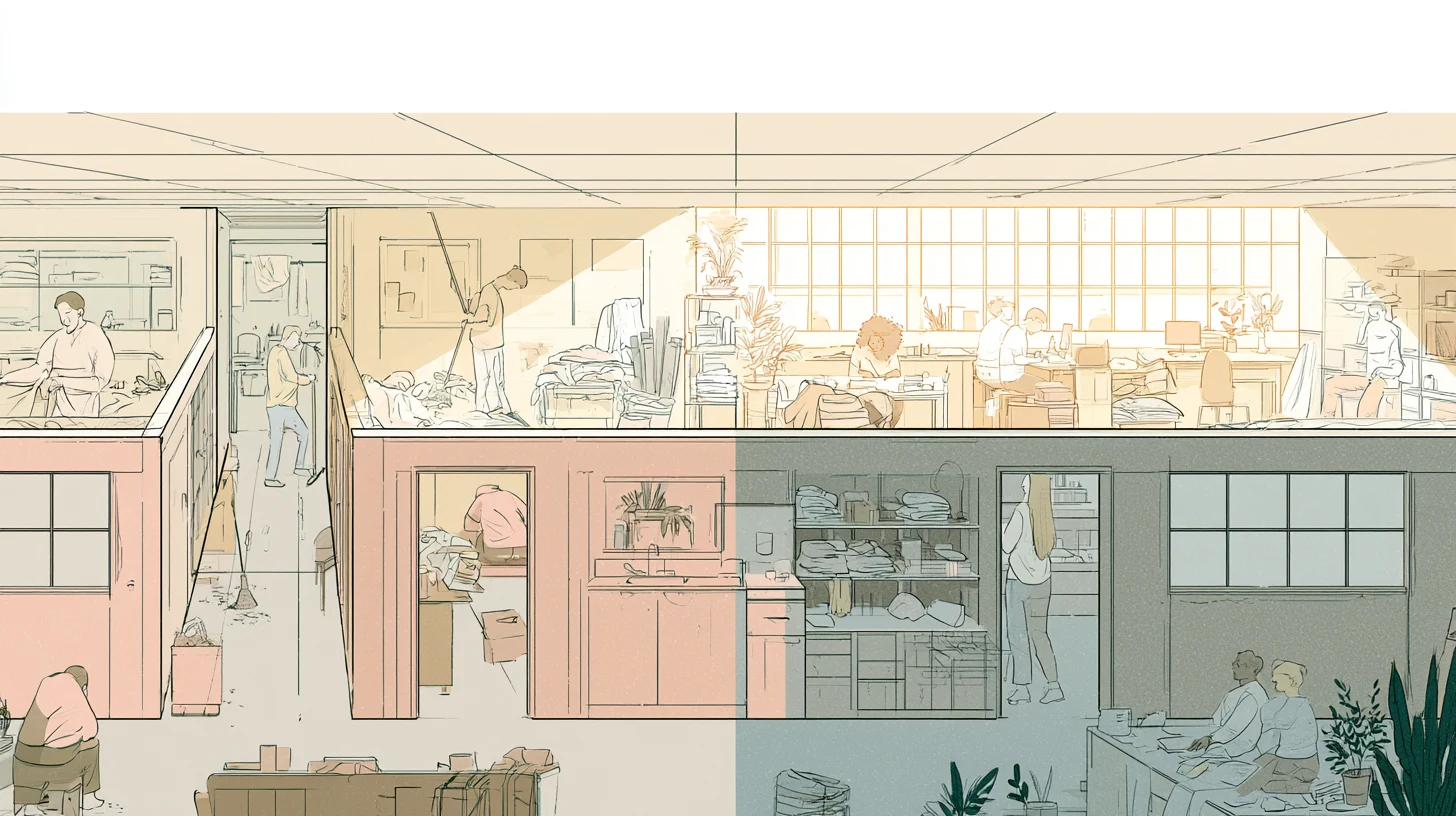
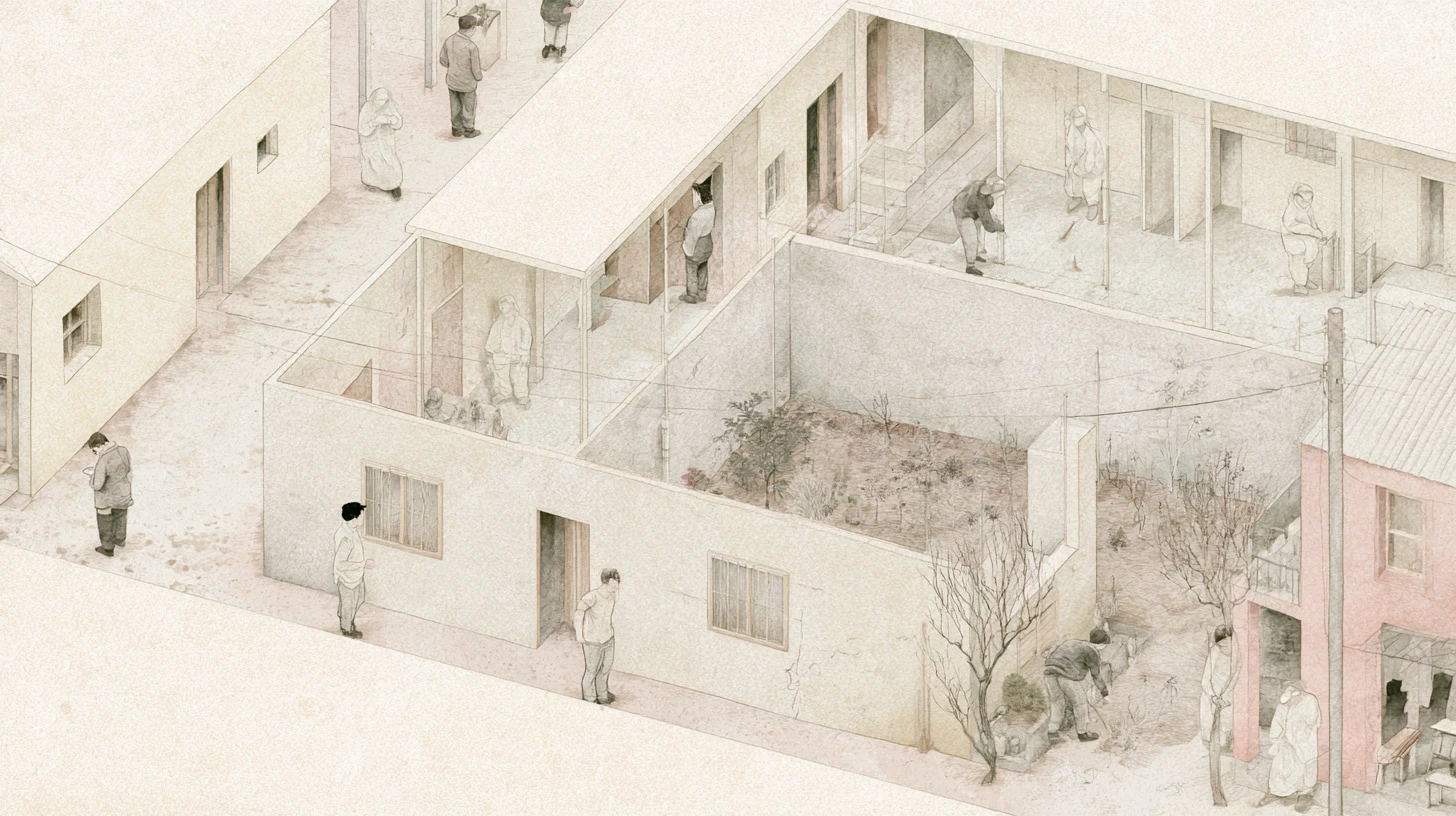
Change is not just a new setting, a new routine, or a new way people see me. I can move apartments, switch jobs, rearrange my schedule, or enter a new community and still be running the same internal script. Real change means the pattern itself begins to lose authority over my life. The old code that used to feel like the only option starts to feel less inevitable, less convincing, less in charge.
A lot of people can change their circumstances without changing their operating system. I include myself in that. I can be in a different place, around different people, saying different words, and still be controlled by the same fear, pride, defensiveness, suspicion, and avoidance. The outside picture looks updated, but the inner driver is the same. That is why change has to go deeper than appearance. If the same pattern is still making the decisions, then the “new” situation is really just the old pattern in a different room.
For me, that operating system shows up in how I protect myself, how I interpret other people, and how quickly I reach for old defenses. Fear can still tell me that I am under attack when I am not. Pride can still insist that I am right even when I am clearly off. Defensiveness can still jump in before I have even heard what someone is actually saying. Suspicion can still rewrite neutral behavior as threat. Avoidance can still convince me that disappearing is safer than staying present. None of that has to change just because my surroundings look healthier or more respectable from the outside.
In recovery, the mechanism that actually shifts this is repetition with awareness. Change happens when I keep choosing a new response until the old response stops feeling automatic. That means I have to notice the moment the old pattern wants to fire, and then participate differently on purpose. It is not one emotional breakthrough, one big cry, or one dramatic insight that does the work. It is the steady weakening of an old pattern through repeated aligned action.
“Repetition with awareness” also means I am not just going through the motions of new behavior. I am paying attention to what I am doing, why I am doing it, and what it feels like to choose differently. Over time, that combination of action and awareness starts to carve a new groove. The old response may still show up, but it no longer feels like the only way. It becomes one option among others instead of the default that runs me.
In the past, I sometimes wanted change to be confirmed by how different things looked. I wanted visible markers: new environment, new people, new language. If the surface looked different enough, I could tell myself I had changed. But recovery is teaching me that the real question is whether I respond differently when the old pressure returns. When I feel misunderstood, do I still go straight to defensiveness? When I feel exposed, do I still hide? When I feel challenged, does pride still take over? Those are the places where real change either shows up or it doesn’t.
This is uncomfortable, because it means I cannot hide behind appearances. I cannot point to a new schedule or a new role and use that as proof. The test is quieter and more private: what happens in the moment when the old trigger hits? Do I pause? Do I reach for structure? Do I stay in the conversation instead of shutting down or attacking? Even small shifts in those moments matter more than big external rearrangements.
This connects directly to pride and quality because change shows up in the quality of small actions. Pride wants change to be impressive, noticeable, and dramatic. Quality is usually the opposite: it lives in small, consistent, almost boring choices that line up with what I say I value. If I am serious about change, it will be visible in how carefully I do ordinary things, how I treat people in small interactions, and how I handle minor frustrations. The pattern loses authority one small decision at a time.
It also connects to jailing it because I cannot claim change while still carrying the old code as my hidden authority. If I keep the old pattern in the background as my real loyalty, then the new behavior is just a performance. Jailing it means I stop giving that old code the final say. I can still feel the pull of fear, pride, defensiveness, suspicion, and avoidance, but I do not let them run the show. I put structure around them instead of obeying them.
So for me, change is less about how different my life looks and more about who has authority inside my life. When the old pressure returns—and it will—do I let the same operating system take over, or do I participate from a different place? Recovery keeps bringing me back to that question. Real change is when the answer to that question starts to shift, not just once, but repeatedly, until the new response becomes the one that feels natural.