To Be Aware Is to Be Alive #6
Awareness keeps you present inside your own life, exposing automatic patterns and motives so you can recognize choice before consequences arrive.
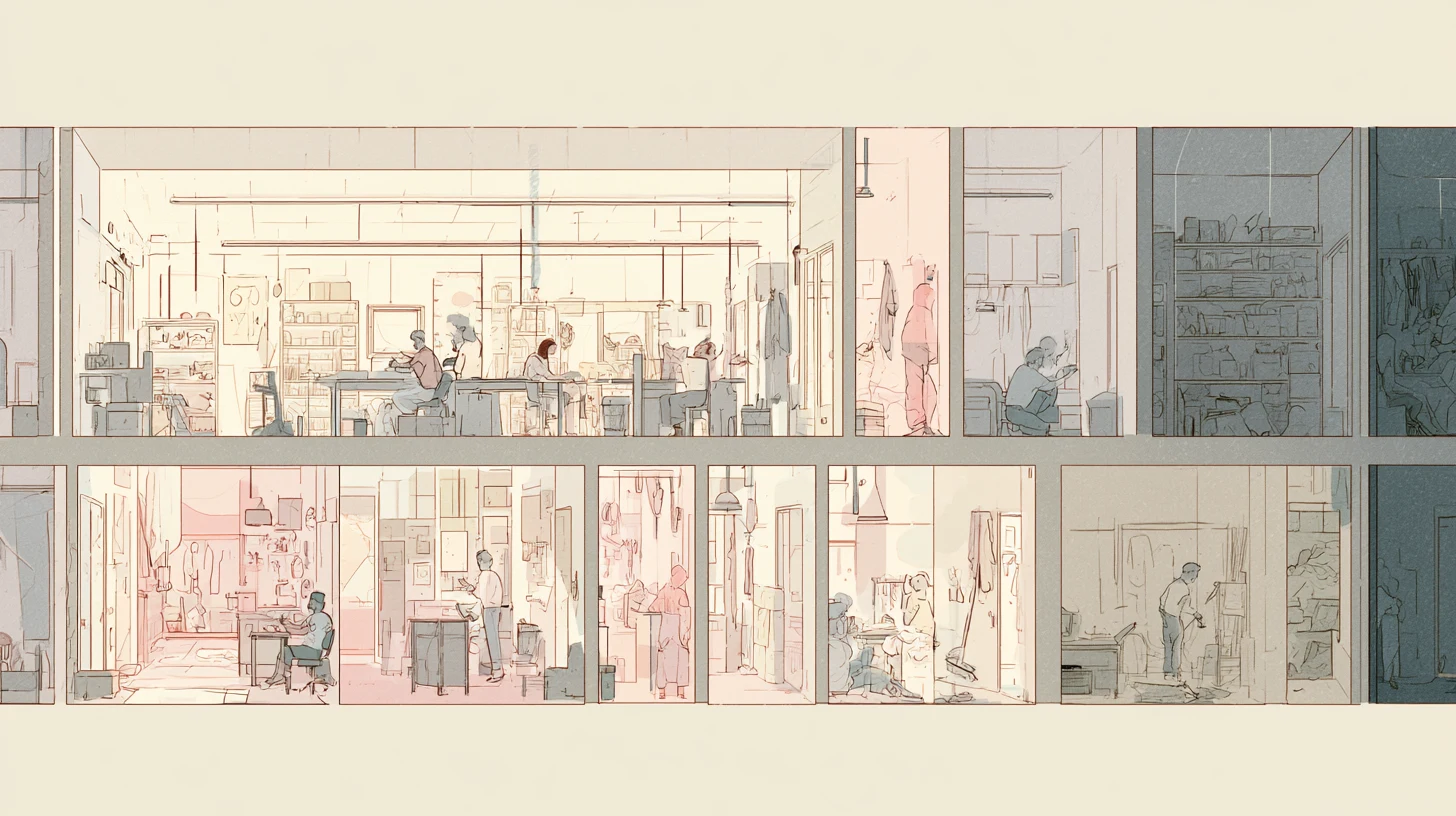
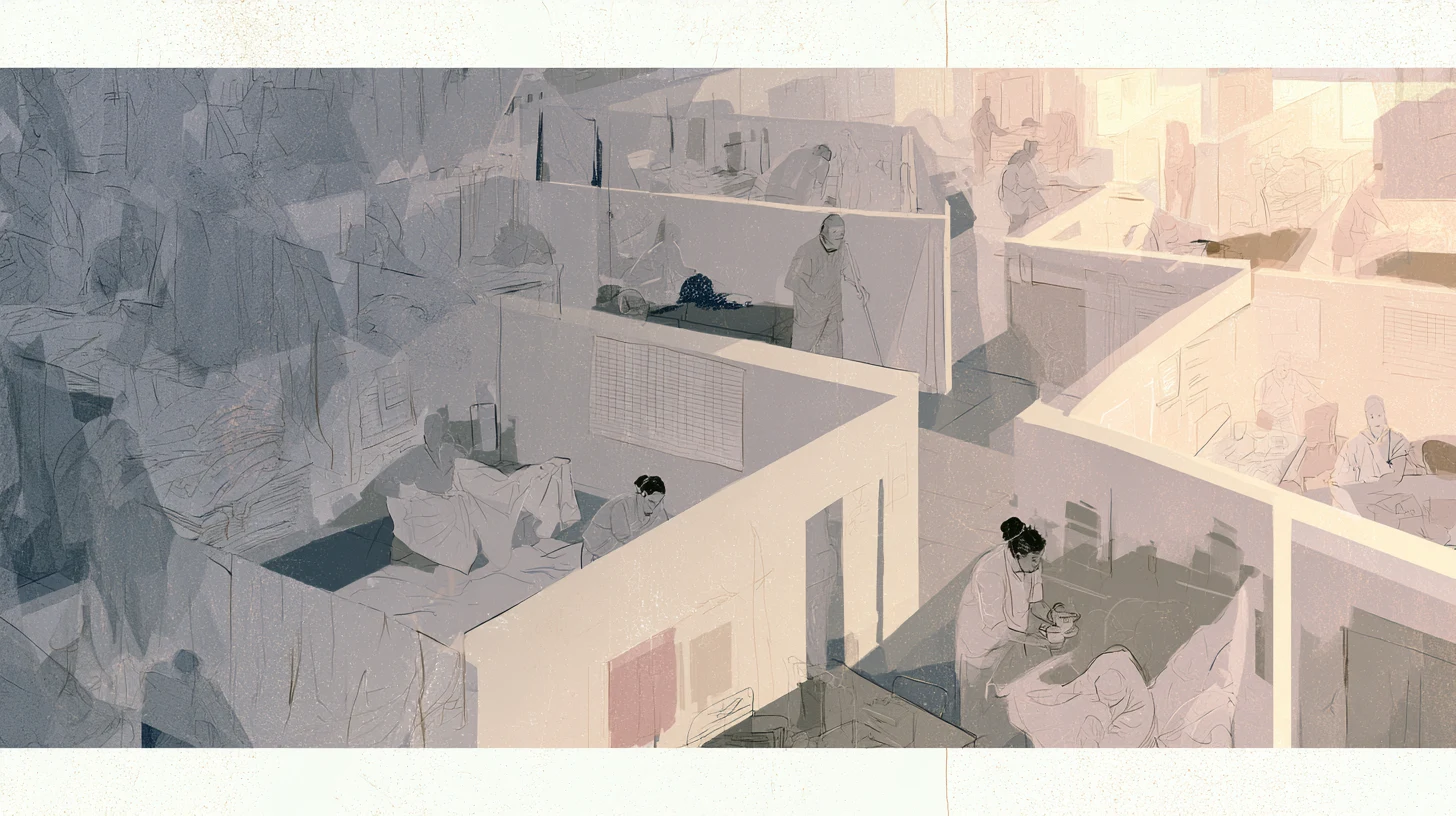
“To be aware is to be alive” means recognizing how easily I can move through an entire day without actually being present inside it. Life can keep moving on the surface while I am barely participating from the inside. I can breathe, speak, work, laugh, and still be missing from my own experience.
That was one of the dangers of my old life. I did not always lack intelligence or information. I could read, analyze, and talk about what was happening. What I lacked was contact with myself while the pattern was happening. I was not inside my own experience in real time. I was there physically, but psychologically I kept disappearing.
I could recognize the damage afterward. I could explain my motives once the consequences arrived. I could tell a story about why I did what I did. But in the decisive moment, I became absorbed by fear, anger, craving, shame, jealousy, or the need for relief. Those states filled the entire frame. They became the only reality I could see, and once I was inside them, I stopped noticing that I was making choices at all. It felt like something happening to me rather than something I was participating in.
Awareness interrupts that disappearance.
It does not magically erase fear or craving, but it creates a small gap where I can see what is happening instead of being completely merged with it. It allows me to notice the first tightening in my body, the first hostile interpretation, the first private justification, the moment discomfort begins turning into permission. I start to catch the early signals: the way my shoulders tense, the way my thoughts narrow around a grievance, the way I begin rehearsing a story that makes my next move seem reasonable.
That moment matters because choice does not begin when the consequence arrives. By then, most of the pattern has already run. Choice begins when I become conscious of the pattern before it completes itself—when I can say, “This is the part where I usually check out,” or “This is the feeling that usually leads to that behavior.” Awareness does not guarantee I will choose differently, but without it, I am just repeating the script and calling it fate.
Being aware also means noticing what I do not want to notice: the motive beneath the explanation, the resentment beneath the silence, the fear beneath the control, the performance beneath the apparent confidence. It means seeing the part of me that wants to look generous while secretly keeping score, or the part that calls something “concern” when it is actually anxiety and control. It means admitting that sometimes my explanations are built after the fact to protect my image, not to tell the truth.
Awareness is not always peaceful. Sometimes becoming more alive means becoming unable to comfortably ignore the parts of myself that have been living automatically. Old habits that once felt invisible start to feel abrasive. Behaviors that used to seem harmless start to look dangerous when I see their full pattern and impact. There is a kind of grief in realizing how long I have been moving through my life half-asleep.
To be aware is also to stay in contact with the fact that my behavior has real consequences for other people, not just for my self-image. When I am absent from myself, I am usually absent from them. I do not see how my withdrawal, my sarcasm, my defensiveness, or my pursuit of relief lands on the people around me. I only wake up when the damage is obvious, and by then I am already busy explaining instead of noticing.
So awareness asks for a different kind of participation. It asks me to remain inside my own life while it is happening, even when what I see is uncomfortable. It asks me to feel the urge to escape and still tell the truth about what I am doing. It asks me to notice when I start narrating myself as a victim of my own patterns instead of an active participant in them.
To be aware is to be alive because awareness returns me to the moment before automatic behavior becomes consequence. It is the difference between watching myself move toward the edge and only waking up after I have already gone over it. The more I practice noticing early, the more I see that I am not powerless in the way I once believed. I may not control the first feeling, but I am not helpless in what I do next.
Today, my responsibility is to stay present enough to catch that small gap when it opens. When I feel myself tightening, justifying, or disappearing into an old state, I want to pause long enough to admit, “This is the part where I usually go on autopilot.” I may still stumble. I may still repeat patterns I wish I could skip. But if I remain aware, I am at least alive inside the moment where a different choice is possible, instead of abandoning myself and only returning when the damage is already done.