Community, Family, House #2
This entry frames community, family, house through participation, accountability, and groundedness, keeping the term close to lived recovery practice.
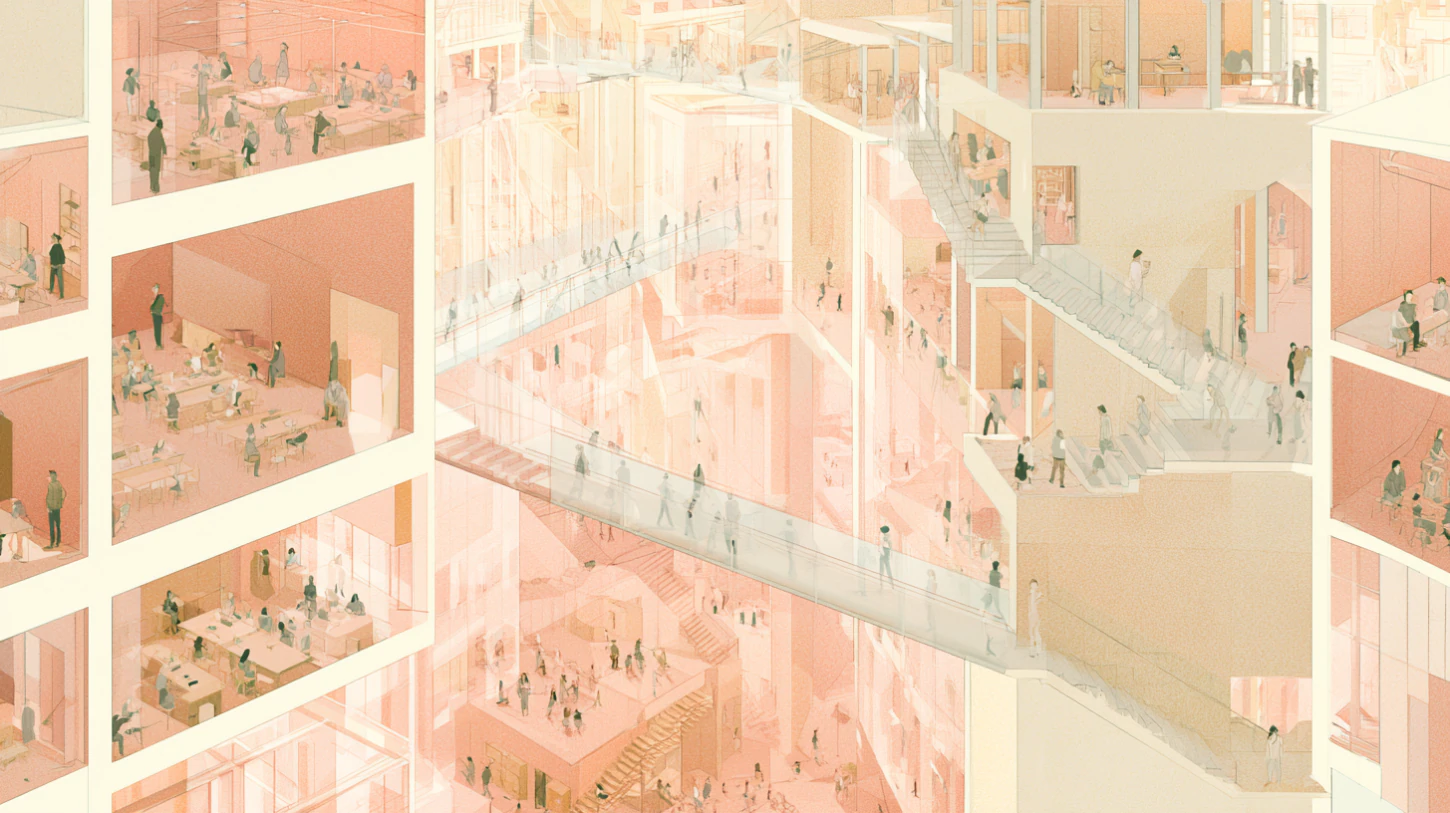
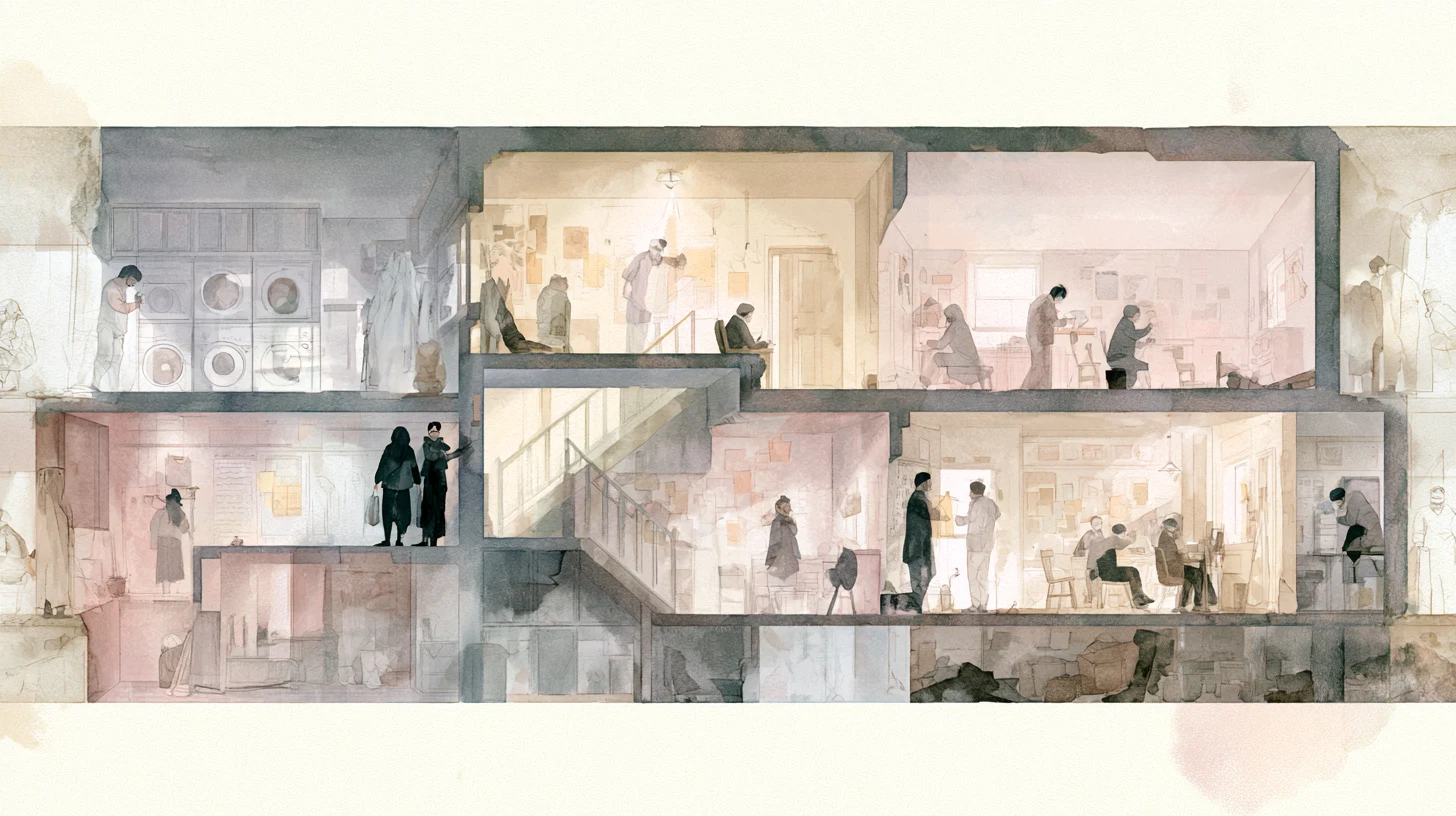
“Community / family / house” is beginning to feel less like simply sharing space with other people and more like participating within a living structure of mutual influence, accountability, and collective growth.
What is becoming clearer to me is that no one exists completely independently inside a community. Every attitude, behavior, emotional reaction, level of effort, standard, and way of participating affects the environment surrounding everyone else.
In this way, the house becomes less an arrangement of individuals and more a system shaped by the ongoing interplay of each person’s presence.
The emotional tone, honesty, discipline, resentment, effort, or instability that each person brings does not remain contained within the individual. Over time, those patterns accumulate and gradually shape the atmosphere we all inhabit together.
Looking back, I can see how often I related to community as something external, a background I simply existed within, rather than as an environment continuously shaped in part by my own participation. I did not fully recognize how my behavior could either strengthen stability or quietly introduce instability into the environment around me.
Recovery is beginning to show me that a healthy community depends on individuals becoming willing to place collective growth above isolation, resentment, ego, image, or self-concern.
That distinction feels important because stability within a community does not sustain itself automatically. It relies on repeated participation, honesty, humility, accountability, and a willingness to remain responsible not only to myself, but also to the environment and people around me.
What feels increasingly important now is recognizing that recovery is not only individual. It is also relational and structural. The way I participate shapes not only my own experience but also the conditions for others.
This connects directly to “personal growth before vested status” because healthy environments are sustained less through image, recognition, or position and more through ongoing humility, accountability, development, and participation. It also closely aligns with “keep it simple” because strong communities are often sustained by simple yet consistent behaviors: honesty, respect, communication, accountability, participation, and consideration for others.
Recovery is teaching me that responsibility within a community extends beyond my immediate emotions or preferences. There are moments when my actions influence the emotional climate, stability, or functioning of the larger environment before I am even fully aware of it myself.
That process requires humility because part of me still tends to interpret experience primarily in individual terms. But recovery is beginning to show me that isolation often reinforces the very patterns that community helps expose, interrupt, and gradually reshape.
For me right now, the work is learning how to participate more intentionally in the environment around me rather than relating to recovery only as an individual process.
Because community is not simply a place where recovery happens. It is one of the structures that continuously reinforce recovery.