Laying Back #5
Laying back names the quiet way old patterns return when you stay physically present but withdraw honest, active participation, letting passive compliance replace engaged contact until drift and relapse conditions quietly rebuild around you.
Laying back is not always obvious. It is not just refusing to participate openly or saying “no” out loud. Sometimes it is being physically present while mentally, emotionally, or spiritually absent—almost like turning the volume down on my own participation without telling anyone.
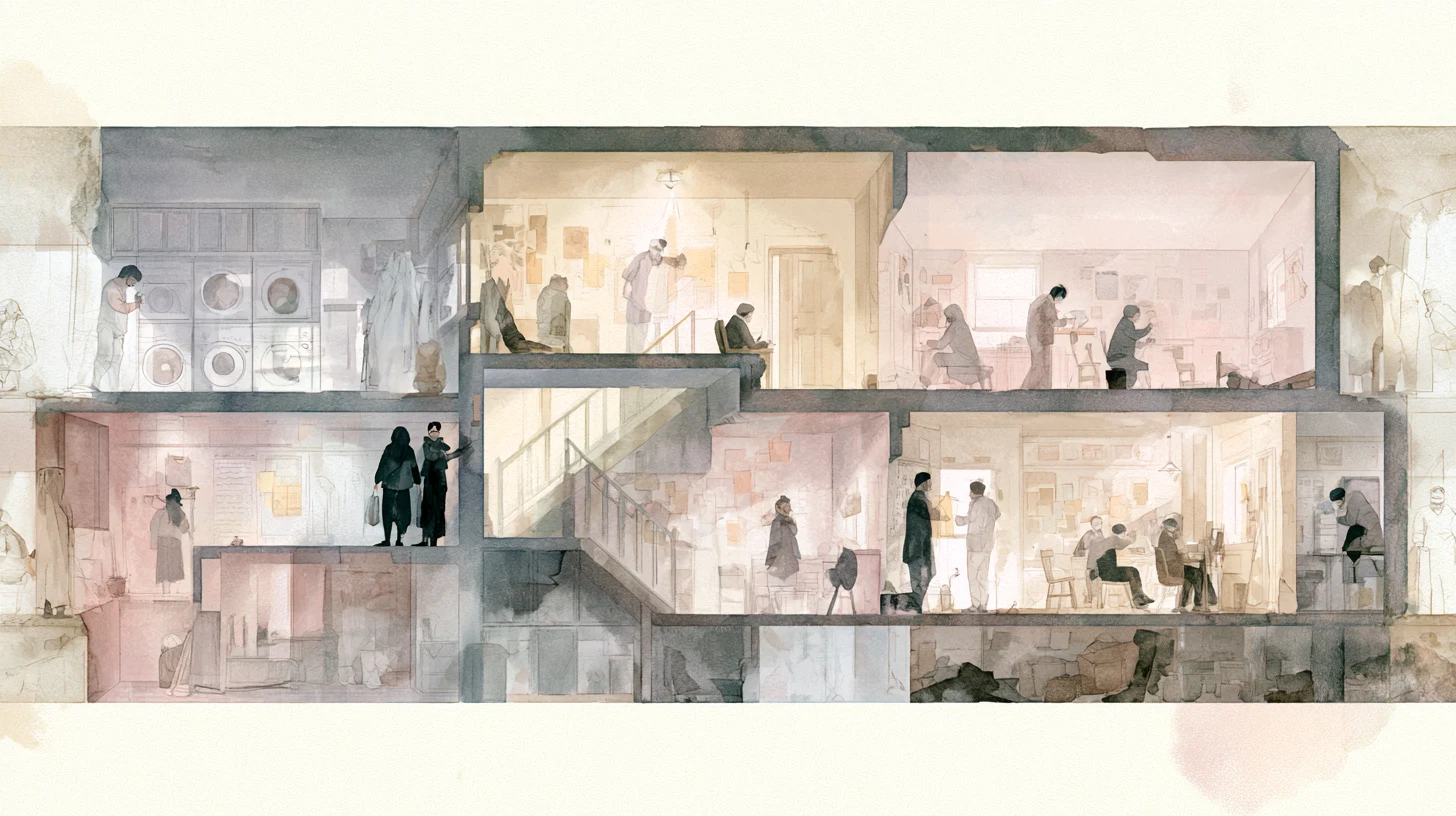
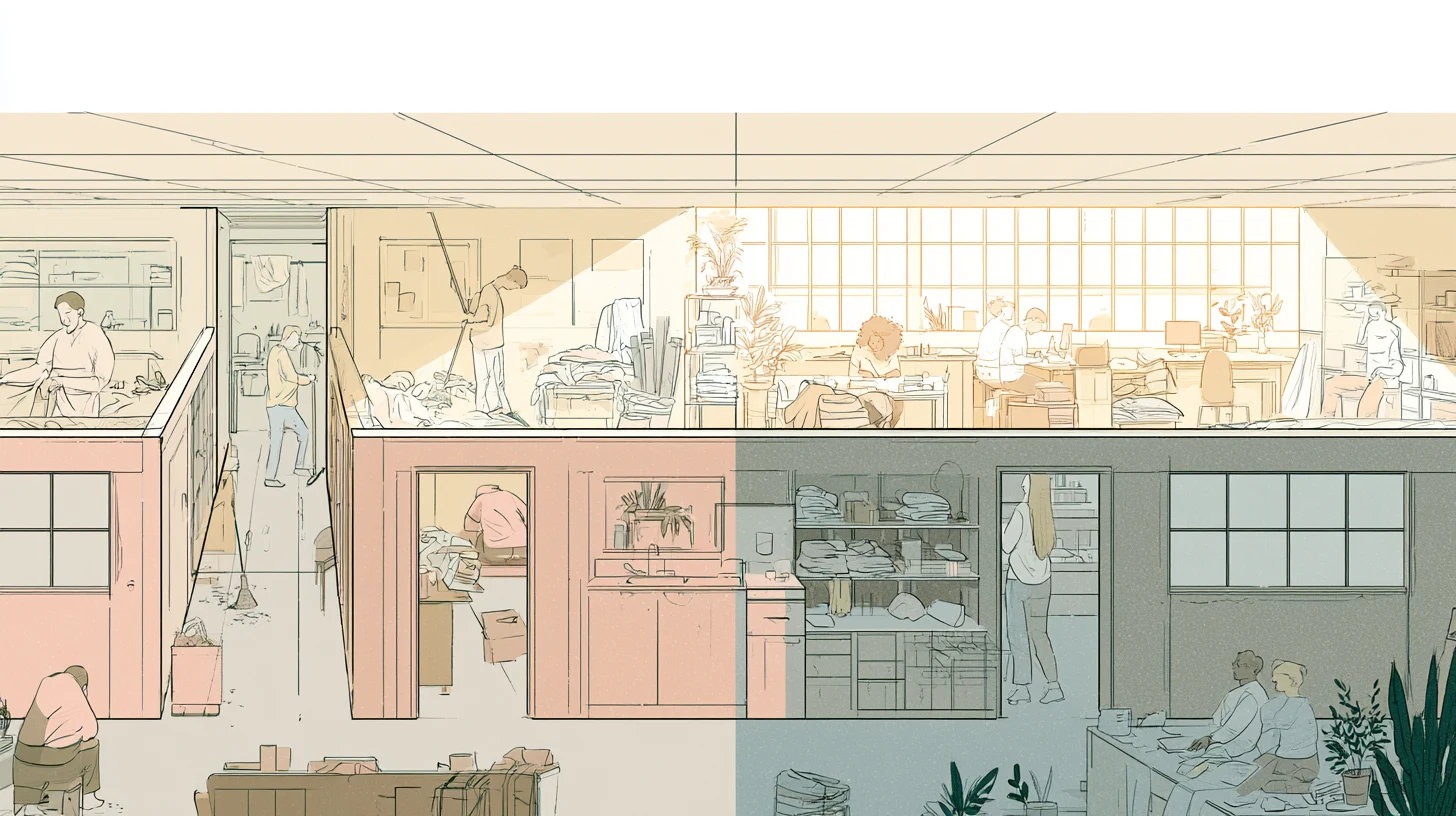
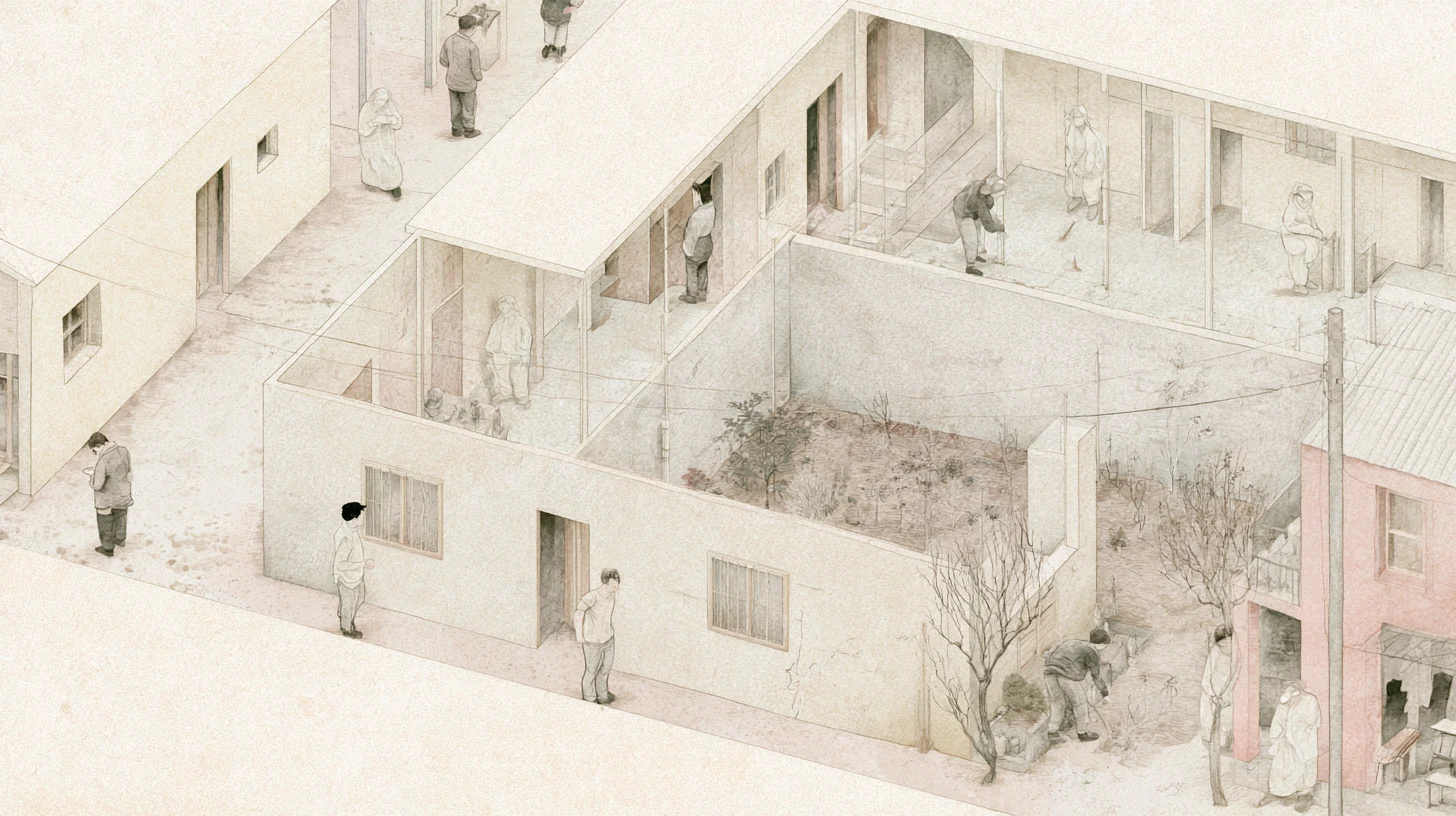
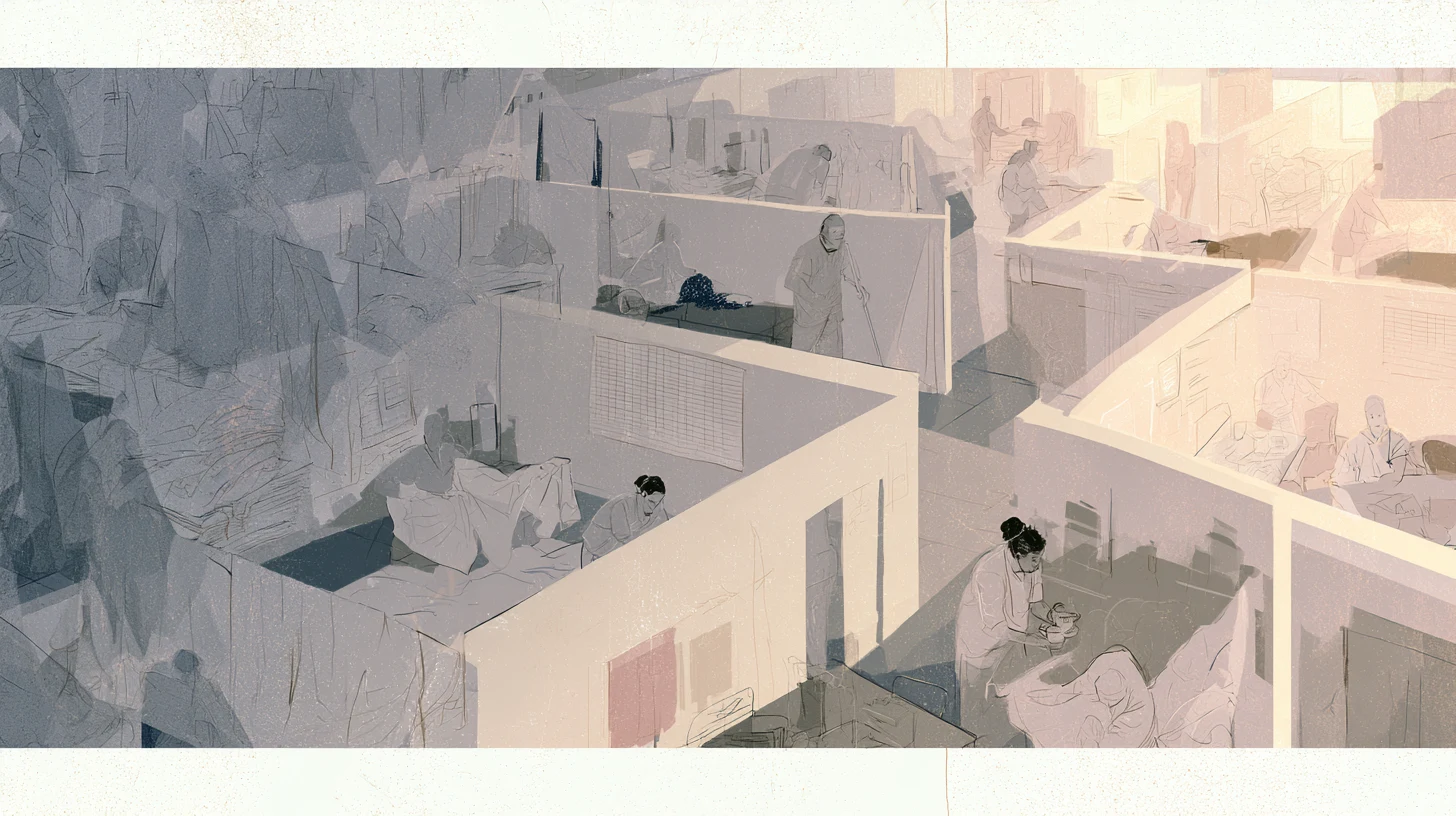
A person can sit in the room and still be laying back.
A person can follow the schedule and still be disconnected.
A person can look like they are in the process while internally disconnecting from it.
A person can say the right things in group and still be holding back the parts that actually need to be worked on.
That is what makes it dangerous. It hides inside what looks like cooperation. From the outside, it can pass as compliance or “doing the program.” Still, on the inside, I might already be drifting, already pulling away from real contact, already letting my old way of moving through life quietly reappear.
Laying back can feel neutral because it does not always look like rebellion. There is no big argument, no dramatic refusal, no obvious acting out. But passivity still has consequences. If I am not actively participating in my growth, then old patterns have more room to return. When I stop leaning in, something else starts leaning in for me—usually the familiar patterns that do not need my permission to come back.
In that sense, laying back is not doing nothing. It is allowing something else to take over. It is a kind of silent permission I give to my old behavior, my old thinking, and my old emotional shortcuts. I may not be consciously choosing relapse or chaos, but by not choosing engagement, I create the conditions where those things can grow again.
In the past, I sometimes mistook physical presence for real participation. I believed that showing up to the meeting, sitting in the chair, or being on the call meant I was “doing the work.” But recovery is teaching me that growth requires more than being in the environment. It requires engagement, honesty, effort, openness, and contribution. It asks me to bring my actual self into the room—my fears, my resistance, my confusion, my questions—instead of hiding behind attendance.
This connects directly to **what goes around comes around** because if I keep putting in a passive presence, I should not be surprised when I get passive results. If I offer half-attention, I get half-awareness. If I offer minimal effort, I get minimal change. The quality of my participation eventually shows up in the quality of my life, even if the gap between them is delayed.
It also connects to **remember where you came from**, because my past reminds me that drift does not usually announce itself. It starts with small withdrawals, lowered standards, and quiet disengagement. I stop sharing honestly. I start skipping the hard conversations. I tell myself I am “tired” or “busy” instead of admitting I am avoiding contact. By the time the consequences become visible, the laying back has usually been happening for a while.
So for me, laying back means slowly stepping away from the process while still appearing close to it. It is a gradual internal exit that happens while my body stays in the same places and routines. The danger is that other people might not see it right away, and sometimes I do not see it right away either, because I can point to all the ways I am “still here.”
Today, I am trying to participate actively enough that recovery is not just happening around me, but actually happening through me. That means noticing when I start to fade out, naming it, and choosing to lean back in instead of quietly sliding into the background.