Reacting #4
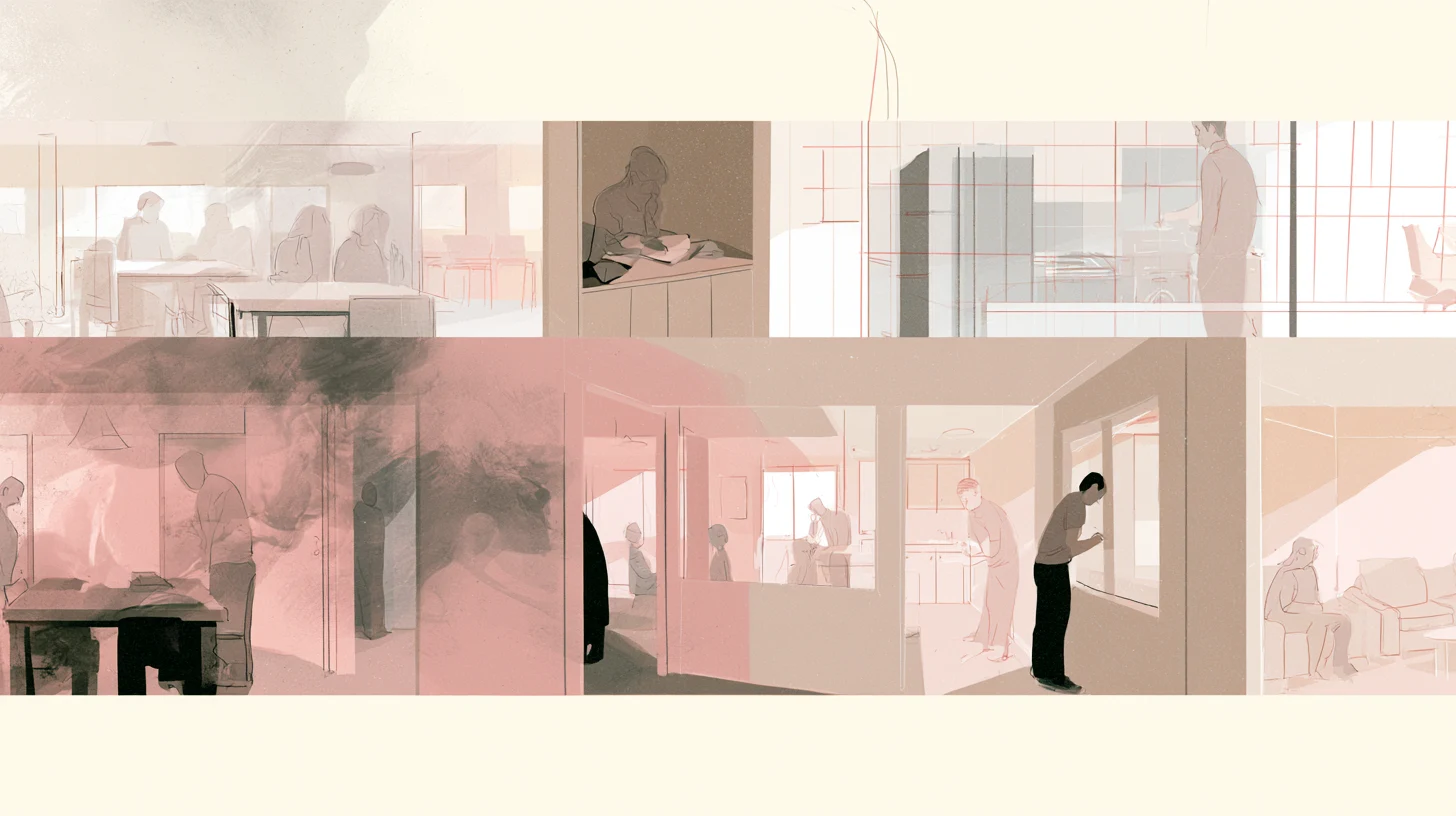
Reacting lets a temporary emotional spike seize control before awareness and values can enter, collapsing perspective into urgency so that short-lived feelings make long-term decisions and then disguise themselves as honesty, care, or protection instead of impulse.
Reacting is when emotion takes control before awareness has a chance to enter. It is that moment when feeling gets to the steering wheel before I even realize I’m in the car.
A reaction usually feels justified in the moment. It feels urgent. It feels true. It feels like I have to say something, prove something, defend something, correct something, or escape something right away. There is a sense that if I don’t act immediately, something bad will happen—I’ll be disrespected, abandoned, exposed, or trapped. That urgency can make the reaction feel not just reasonable, but necessary.
But urgency is not the same as wisdom.
In those moments, reacting narrows my world. It collapses everything into the feeling. I stop seeing the whole picture and start acting from one emotional angle. Other people’s perspectives, longer-term consequences, and my own values fade into the background. The only thing that feels real is the emotional spike in front of me, and my behavior starts to orbit it.
In the past, I sometimes treated reactions as honest expressions of what I felt. If I was angry and I yelled, I told myself I was “just being real.” If I pulled away when I was hurt, I told myself I was “protecting my peace.” But recovery is teaching me that expression and growth are not always the same thing. Just because something is emotionally real does not mean that acting on it immediately will lead to something healthy. A feeling can be valid and still not be a good guide for what I do next.
This connects directly to **responsible love and concern** because love is less responsible when driven by reaction. I can hurt someone while telling myself I care. I can say cutting things in the name of “honesty” or “tough love,” when really I am just discharging my own discomfort. I can avoid accountability while telling myself I am protecting peace—staying silent, withdrawing, or manipulating the situation so I don’t have to face my part, all while claiming it is for the good of the relationship. In those moments, the reaction dresses itself up as care, but the structure underneath is still avoidance or control.
It also connects to **do your thing and everything will follow**, because reacting takes me out of alignment. Instead of doing what supports my process—my routines, my commitments, my values—I start obeying whatever emotion is loudest. My day can get hijacked by a text message, a tone of voice, or an internal story I suddenly believe. I stop participating in the structures that actually help me grow and start participating in the emotional storm of the moment.
So for me, reacting means allowing a temporary emotional state to make a lasting contribution to my direction. A feeling that might have lasted minutes can end up shaping a decision, a conversation, or even a relationship. The emotion passes, but the consequences of the reaction remain. That is the real cost: I let a short-term internal state write part of my long-term story.
Today, I’m trying to create space between what I feel and what I do, so my response reflects growth rather than impulse. That space might look like pausing, breathing, stepping away, or checking in with someone I trust before I act. It is not about denying what I feel, but about letting awareness arrive before I hand my behavior over to the feeling.