Trust in Your Environment #8
Trust in your environment means not letting one painful moment define the whole space, but staying present, curious, and responsible enough to help make it safer.
Trust in your environment does not mean believing that every person is right, every decision is fair, or every environment is flawless. Blind agreement is not trust. Trust means I do not let one painful moment become the entire meaning of the place, the people, or the process. I may feel the sting of that moment, but I do not let it rewrite the entire story of where I am or who I am with.
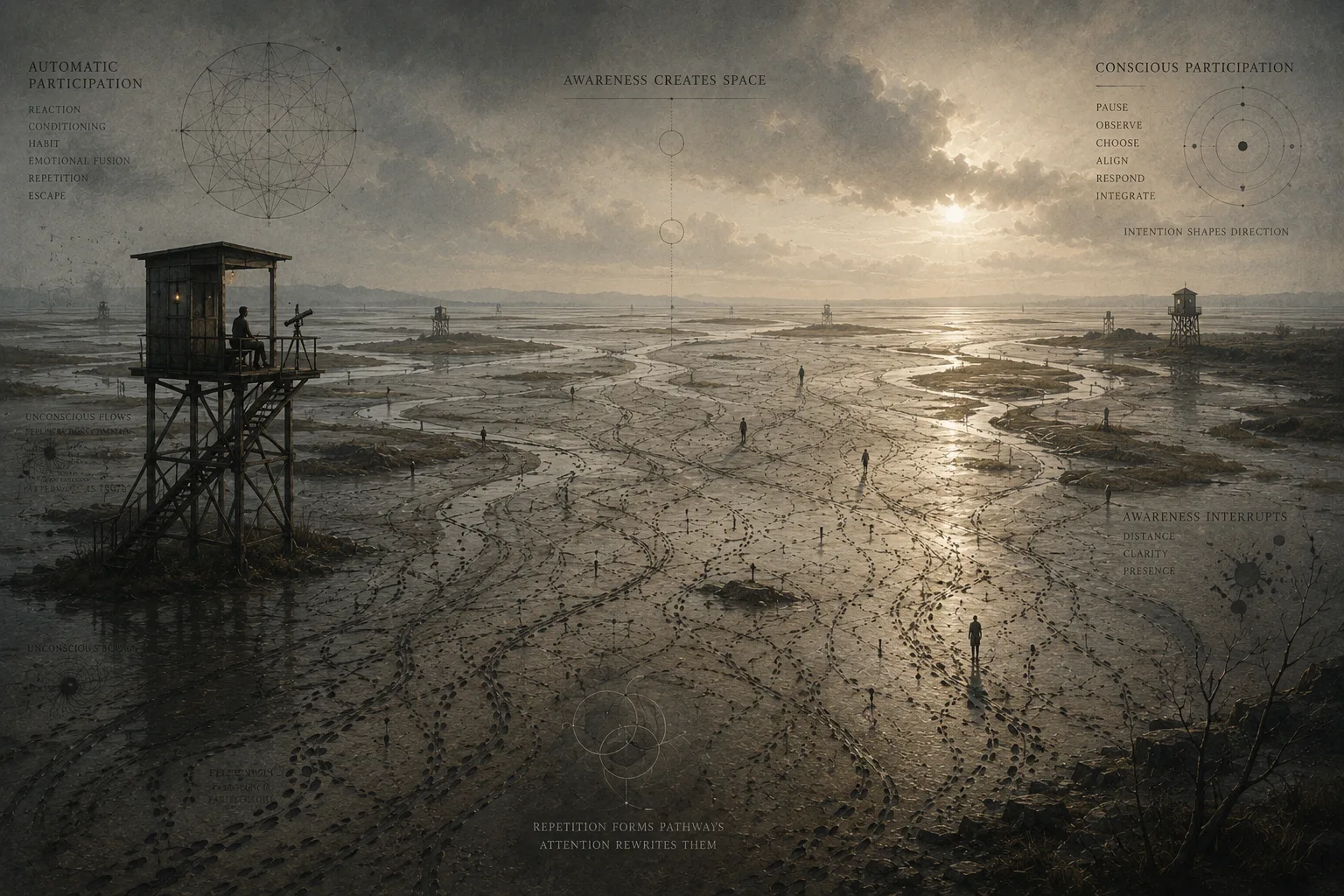
When I am activated, my first interpretation feels complete. I see one action, assign one motive, and reach one verdict. In that state, my conclusion feels like fact, not like a first draft. Trust asks me to leave room for what I do not yet know: another perspective, missing context, a misunderstanding, my own contribution, or information that only time can reveal. It asks me to slow down the rush from impact to judgment, to notice that my certainty might be coming from old pain as much as from present evidence.
A trustworthy environment is not one that never disappoints me. It is one I can remain in relationship with while disappointment is examined. That means I do not have to pretend something is fine when it is not, and I also do not have to burn everything down when something hurts. I can question something, seek clarification, disagree, or ask for help without abandoning the conduct that makes resolution possible. My behavior stays aligned with the kind of environment I say I want: one where hard conversations can happen without everything collapsing.
Trust is also reciprocal. I cannot demand that an environment hold me while I punish it whenever it approaches a wound. If every contact with a sensitive place is treated as proof that the whole space is unsafe, there is no room for repair or learning. I am not only judging the atmosphere; I am contributing to it. My tone, my willingness to listen, my ability to name what is happening without attacking all shape how safe the room actually is.
When I remain direct, reachable, and responsible under pressure, I become part of the reason someone else may trust the room. Trust in your environment becomes less about what I am owed and more about how I participate. I still notice harm, misalignment, or patterns that do not work for me, but I bring those observations into the relationship instead of using them as a final verdict. In that way, trust is not just something I look for outside myself; it is something I help build by how I stay present when it would be easier to withdraw or retaliate.