Laying Back #3
This entry frames laying back through participation, accountability, and groundedness, keeping the term close to lived recovery practice.
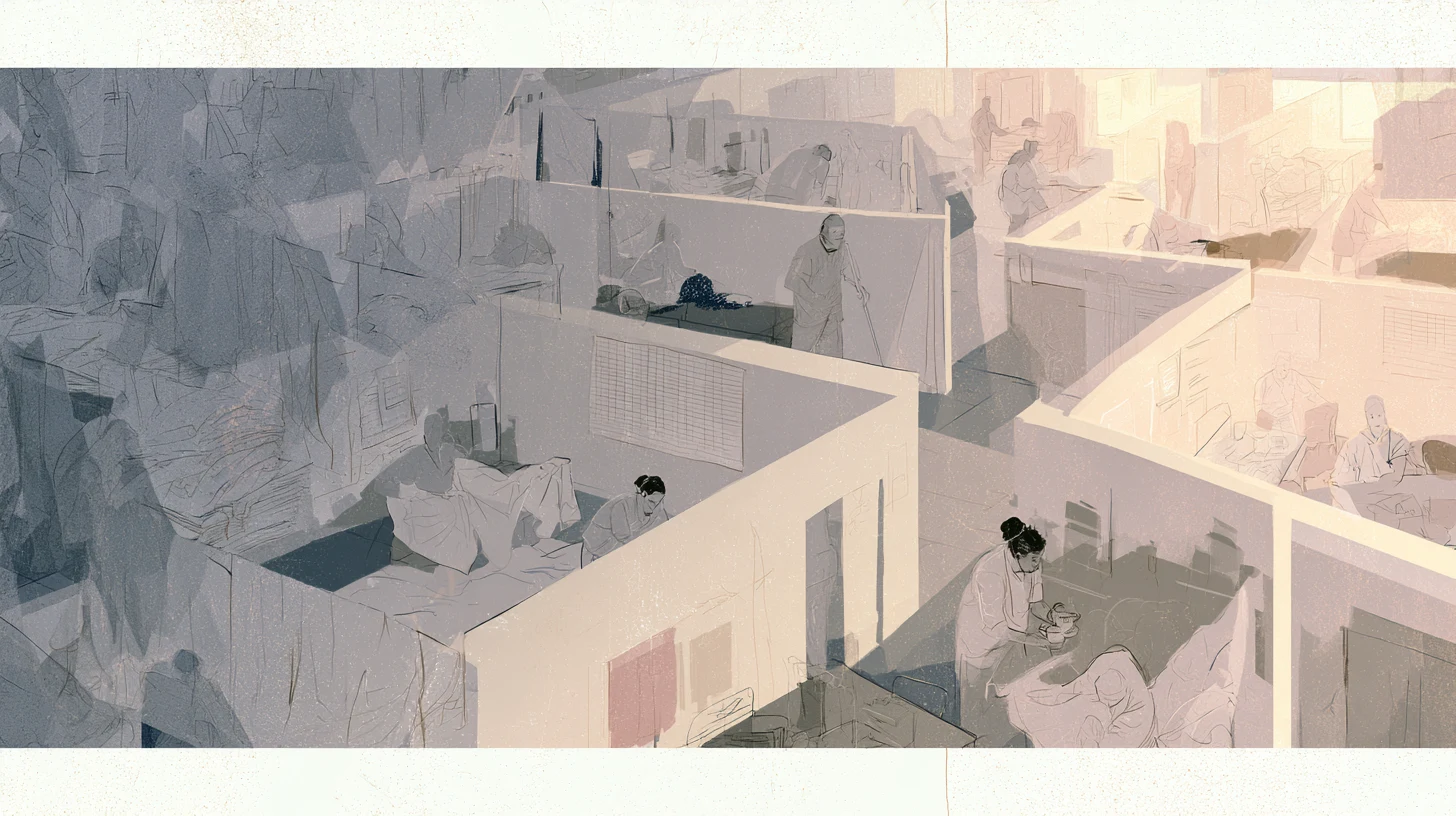
I am starting to notice that what I once called “laying back” is less a matter of visible inactivity and more a subtle process of withdrawing inwardly from participation, responsibility, and engagement.
What is becoming clearer to me is that physical presence does not always reflect internal participation. I can appear engaged on the surface, while inwardly my attention, openness, and sense of responsibility begin to recede.
In this way, laying back quietly introduces distance between me and the process.
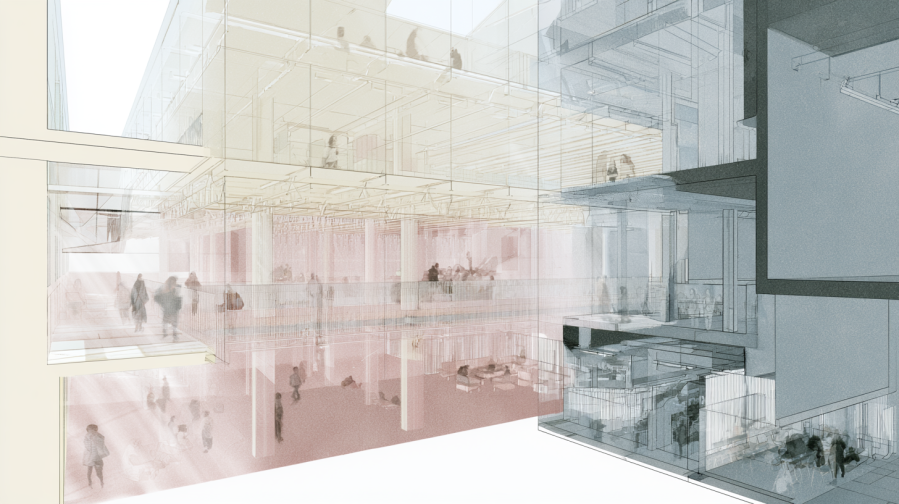
The environment moves forward. Accountability remains present. Growth continues around me. Yet internally, my participation can become passive, disconnected, or quietly withdrawn.
This shift often develops so gradually that it appears harmless at first. There is no dramatic collapse or visible resistance. Yet over time, this quiet withdrawal weakens awareness, contribution, discipline, accountability, and the sense of connection to the structure itself.
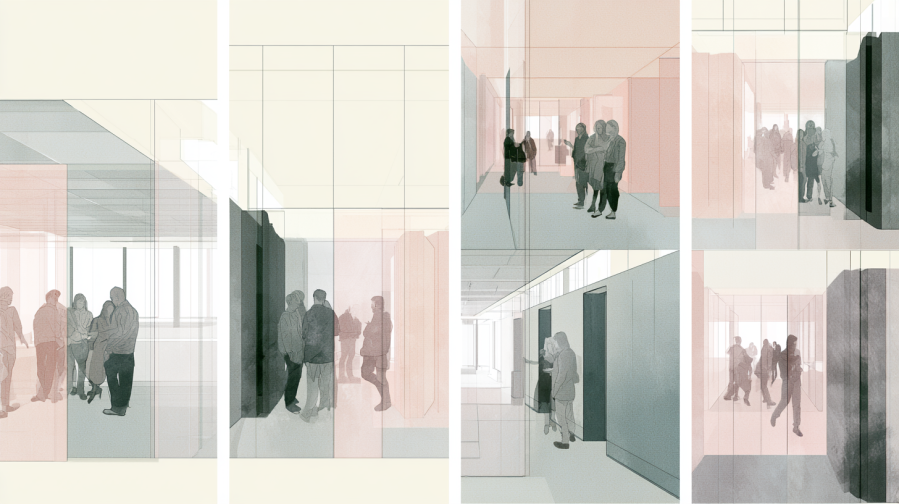
Looking back, I can see how often I underestimated the importance of active participation. Part of me assumed that physical presence alone meant I was still engaged in the process. But recovery is starting to show me that passive presence and conscious participation are not the same thing.
Recovery is beginning to show me that growth does not happen in the absence of attention, honesty, openness, and consistent involvement.
What feels increasingly important now is recognizing that laying back often begins psychologically before it becomes visible behaviorally. Attention narrows. Engagement fades. Feedback becomes easier to avoid. Participation grows selective. And gradually, distance forms between me and the structure supporting growth.
This connects directly to “you can’t keep it unless you give it away” because growth is sustained through active contribution and participation. When I withdraw psychologically, both the environment and the community gradually lose something essential. It also closely connects to “confrontation is valid” because laying back often avoids the discomfort associated with accountability, participation, feedback, and direct engagement.
Recovery is teaching me that participation itself reinforces stability. The more honestly and consistently I remain engaged, the more connected I remain to awareness, accountability, and growth. But the more psychologically withdrawn I become, the easier it is for passivity and unconscious patterns to quietly return.
That process requires honesty because part of me still seeks comfort without engagement and distance without consequence. But recovery is beginning to show me that withdrawal often weakens growth long before any obvious external problem becomes visible.
For me right now, the work is learning how to participate more intentionally, openly, and honestly rather than quietly drifting into passivity while remaining outwardly present.
Because laying back is not always about leaving the process entirely. Sometimes it is a slow internal disconnection that leaves outward presence largely unchanged.