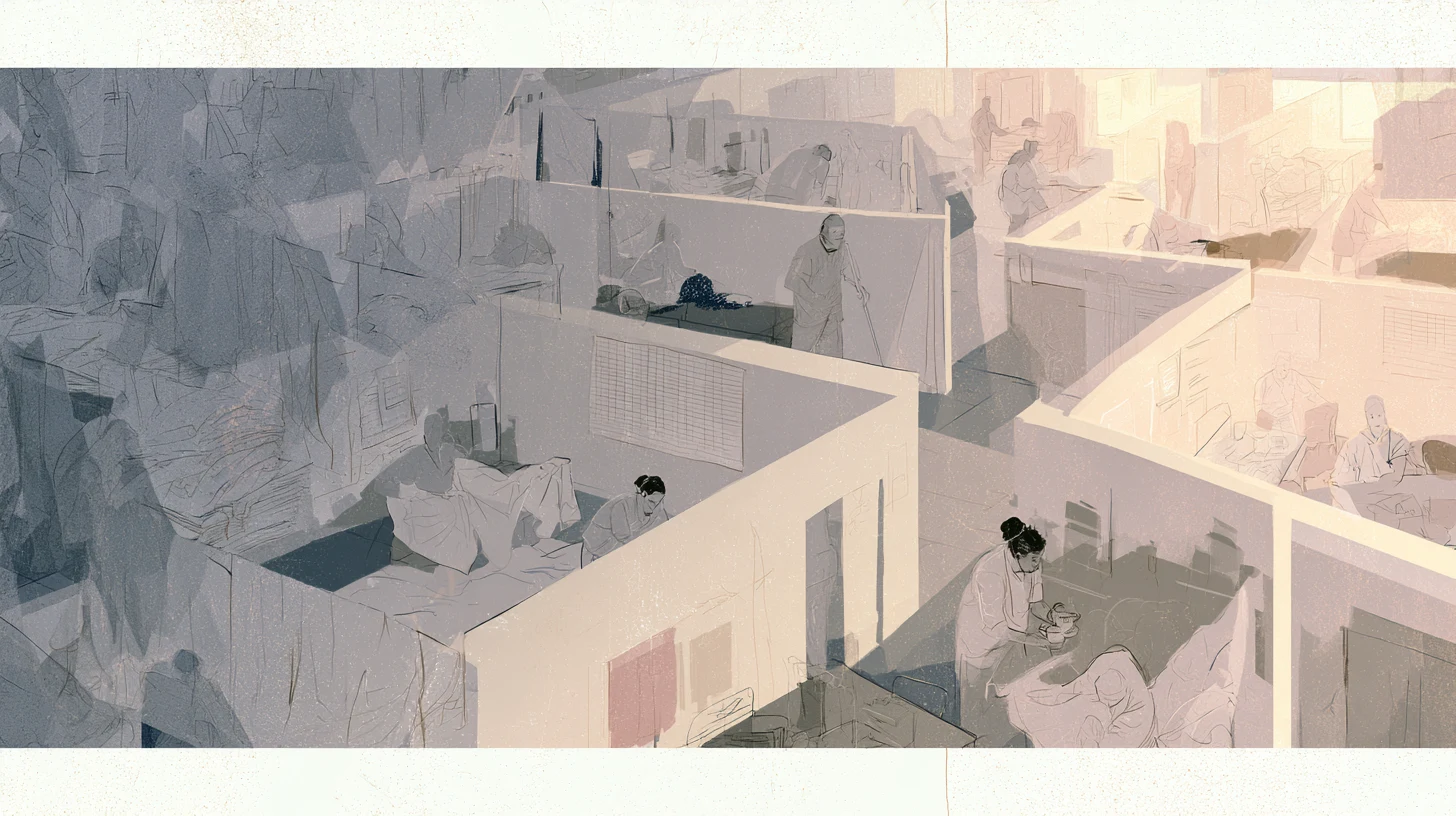
Negative Contract #2
A negative contract often forms quietly, not as a deliberate agreement, but as a subtle alignment around shared resentment, avoidance, resistance, or unhealthy patterns. It is less a conscious decision than a gradual organization of relationships around.
A negative contract often forms quietly, not as a deliberate agreement, but as a subtle alignment around shared resentment, avoidance, resistance, or unhealthy patterns. It is less a conscious decision than a gradual organization of relationships around dynamics that remain largely unexamined.
In this way, the relationship begins reinforcing itself through mutual validation, quietly shaping the structure of interaction over time.
Rather than supporting accountability, awareness, or growth, the relationship slowly organizes itself around disconnection from the process of change. What may initially appear as understanding or emotional alliance can gradually become a structure that sustains resistance rather than development.
A great deal of the time, negative contracts do not appear openly destructive at first.
These patterns often emerge quietly through shared complaint, mutual reinforcement of resentment, emotional withdrawal, or subtle encouragement of avoidance. The process may involve minimizing accountability, dismissing feedback, validating unhealthy thinking, or finding emotional comfort in shared resistance to structure, responsibility, or discomfort.
Looking back, I notice how emotionally comforting these dynamics can sometimes feel in the moment. Shared negativity can create temporary relief, validation, or a sense of connection that resembles belonging. It is easy to mistake emotional agreement for genuine support without fully recognizing whether the relationship is quietly strengthening or quietly weakening.
Recovery is beginning to reveal that emotional validation and accountability are not always the same thing.
A relationship can feel emotionally supportive while still reinforcing avoidance, distortion, passivity, resentment, impulsivity, or disconnection from meaningful change.
What feels increasingly important now is recognizing that people gradually shape one another through repeated patterns of emotional and behavioral reinforcement.
The attitudes, interpretations, emotional responses, and patterns that people consistently share slowly begin organizing the emotional environment they collectively inhabit. Over time, these dynamics reinforce either growth or resistance, often without conscious recognition.
Recovery is beginning to show me that unhealthy alignment frequently develops unconsciously.
Negative contracts are rarely established deliberately. More often, they emerge gradually through repeated participation in shared negativity, mutual avoidance, emotional dependency, or resistance to accountability, until those dynamics begin to feel normal or emotionally justified.
This process quietly weakens trust in the structure, accountability, and purpose of the environment itself. The emotional patterns and attitudes I reinforce with others gradually shape the reality I experience.
Recovery is teaching me that the people I consistently align myself with influence the direction of my thinking, behavior, awareness, and participation over time.
That process requires honesty because part of me still seeks emotional comfort through agreement, validation, or shared resistance rather than through accountability and growth. But recovery is beginning to reveal that relationships organized around negativity often deepen the very instability they temporarily seem to relieve.
For me right now, the work is learning to notice more clearly whether my interactions reinforce accountability, openness, humility, and growth or quietly sustain resistance, resentment, avoidance, and disconnection.
Because a negative contract is not simply shared negativity.
It is the gradual reinforcement of unhealthy patterns through repeated emotional and relational participation.