What We Can’t Do Alone, We Can Do Together #4
Recovery deepens when self-reliance gives way to honest participation in shared structures that expose distortion, expand perspective, and make accountability and course correction more likely than isolation can on its own.
**“What we can’t do alone, we can do together”** is not just about support. It is about correction, structure, and shared reality.
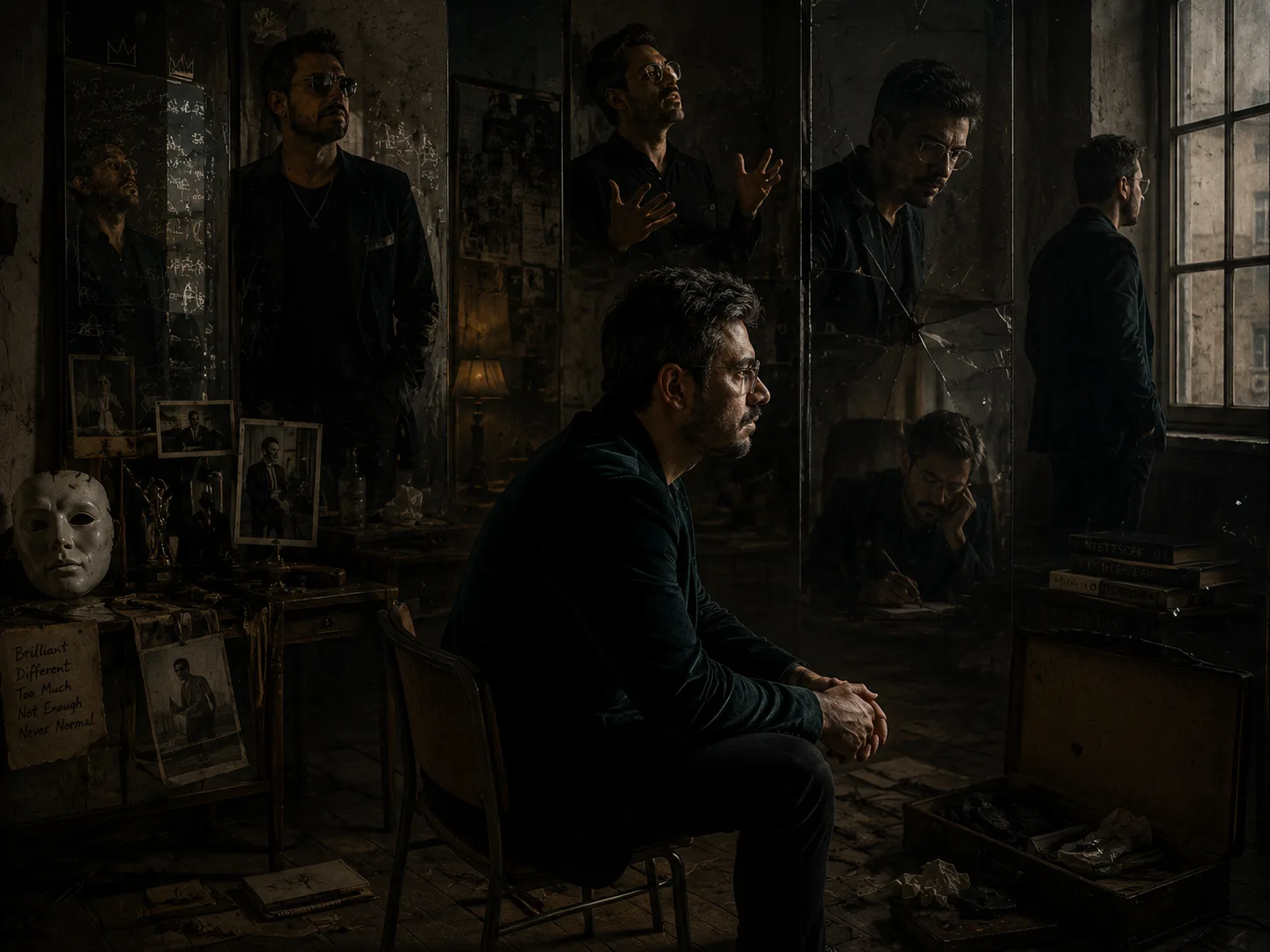
On my own, my perspective can become limited. I can justify my own interpretation. I can loop inside the same story and call it “honesty” when it is really just repetition. Left alone with my own thinking, I can sometimes mistake familiarity for truth, comfort for accuracy, and habit for reality.
But in community, that changes.
Other people can reflect things to me that I may not see clearly on my own. They can notice patterns in my language, my behavior, or my reactions that I have stopped noticing because they feel normal to me. The group can interrupt isolation, challenge distortion, and help me stay connected to reality when my own thinking starts drifting. Sometimes that happens through direct feedback, and sometimes it happens just by hearing other people share honestly and realizing, “I do that too,” or, “I’ve been lying to myself about that.”
In that sense, recovery is not just individual willpower. It is relational structure. It is the routines, expectations, and shared agreements that exist between people who are all trying to move in a healthier direction. My job is not only to “try harder” internally but to place myself inside structures that make honesty, accountability, and course correction more likely.
In the past, I often believed I had to solve things internally or handle everything by myself. I saw asking for help as weakness, or I told myself that other people would not understand. Sometimes I used self-reliance to avoid vulnerability and consequences. But in recovery, I am learning that growth is strengthened through participation, feedback, accountability, and shared effort. My internal work is still mine, but it is shaped and supported by the people around me.
This connects directly to **pride and quality**, because the quality of my recovery depends on the quality of my participation. If I only show up physically but stay guarded mentally or emotionally, I am not really using the environment fully. I can sit in the room, say the “right” things, and still protect my distortions. Real participation means letting myself be seen a little more accurately and being willing to let other people’s perspectives influence my own.
It also connects to **consequential thinking** because whether I isolate or engage has consequences over time. Repeated withdrawal reinforces my old patterns and keeps my blind spots intact. Repeated engagement slowly builds trust, insight, and stability. The choice to participate or withdraw slowly shapes my direction, even on days when it feels like “just one meeting” or “just one conversation” I am skipping.
So for me, **what we can’t do alone, we can do together** means understanding that community expands my capacity to see, change, and stay aligned. There are parts of my thinking, my behavior, and my emotional life that I cannot work with accurately in isolation. I need other people to help me see where I am drifting, and I need shared structure to help me practice different choices consistently.
Today, I am trying to participate in the group not just as someone receiving support, but as someone contributing to the structure that helps all of us grow. That means showing up honestly, listening carefully, offering my experience when it is relevant, and allowing my own participation to reinforce the environment that I also depend on.