Community / Family / House #3
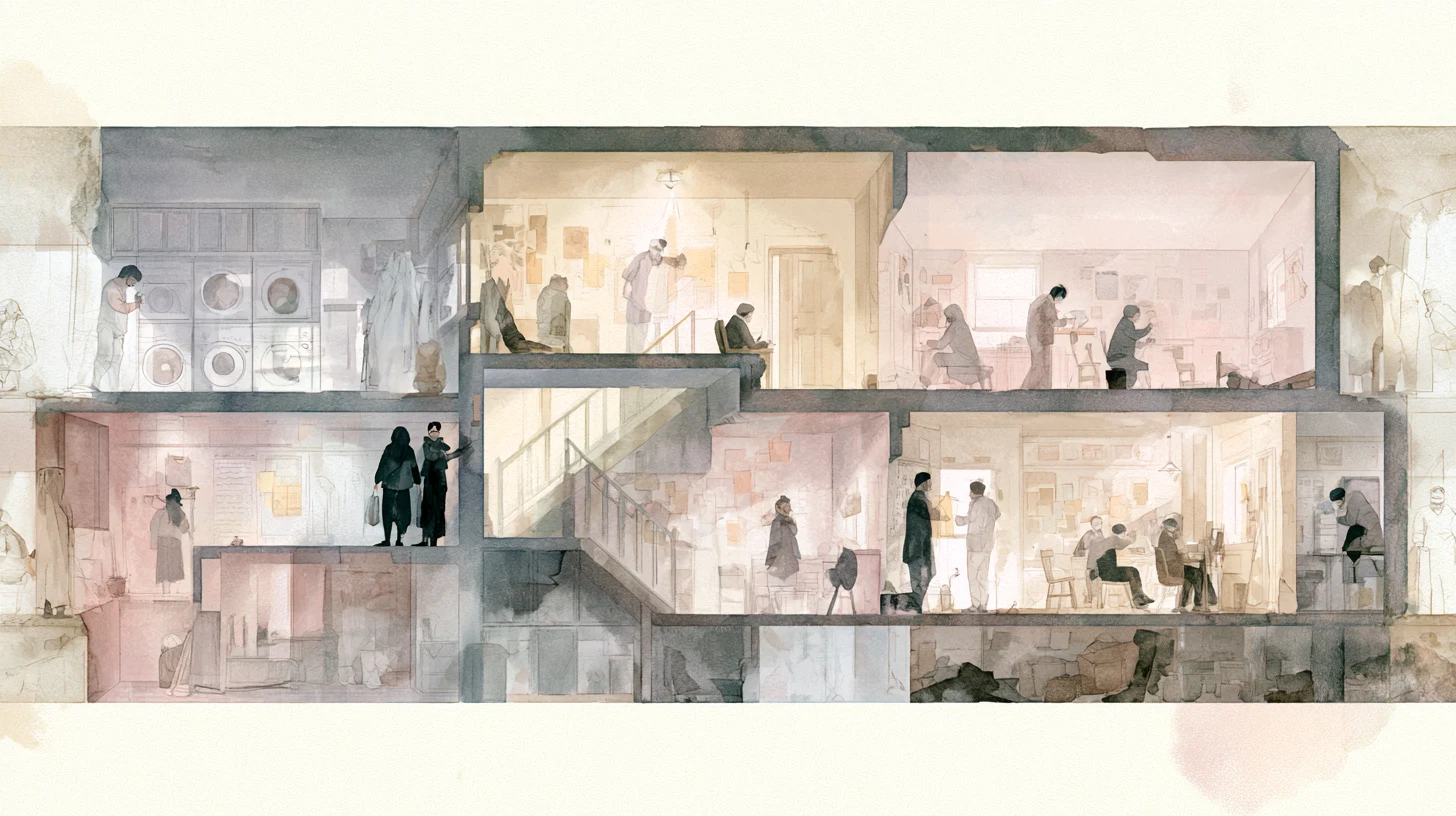
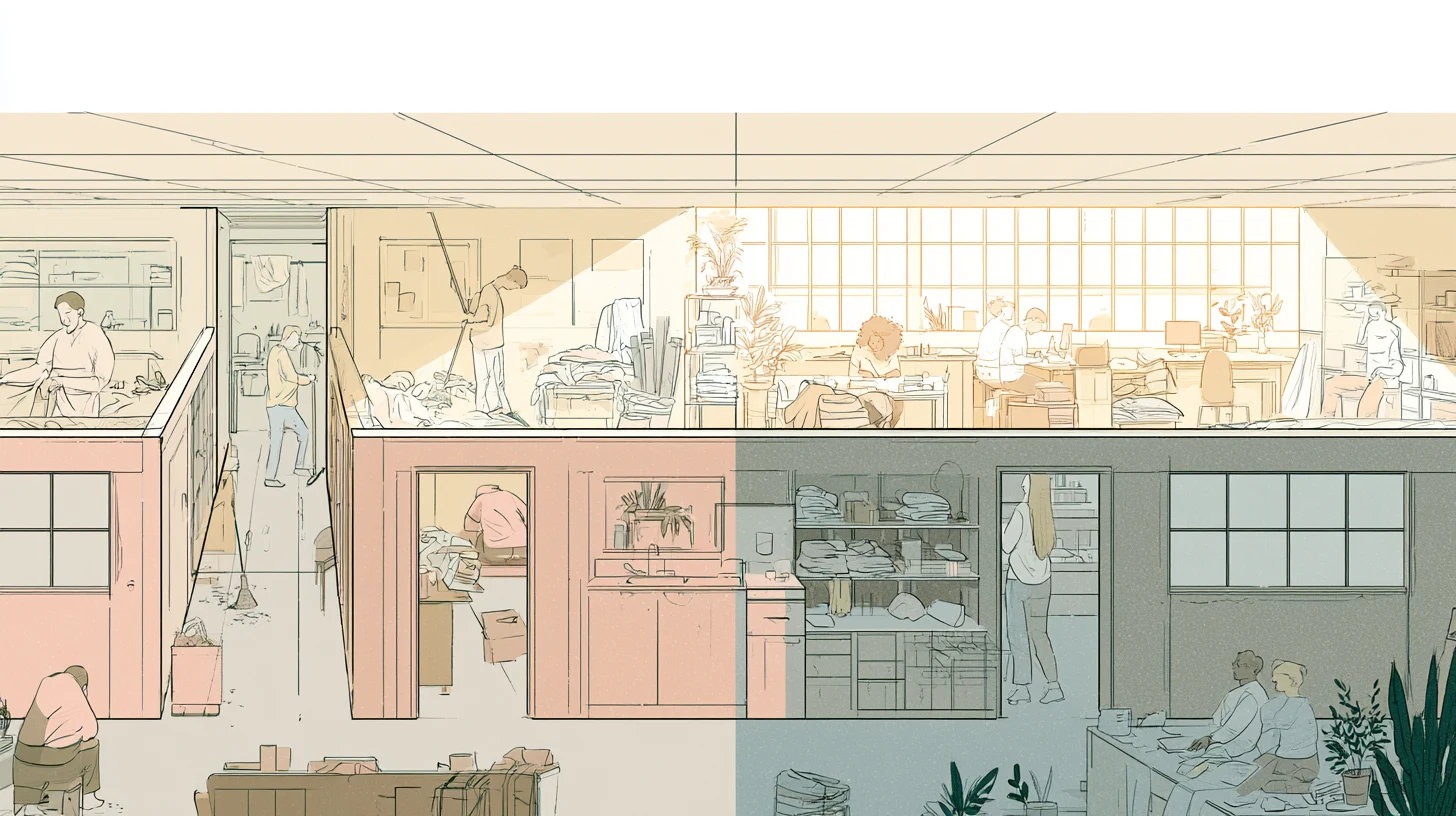
Recovery environments function as systems of mutual influence where my repeated attitudes and behaviors both shape and are shaped by the shared atmosphere, turning community, family, and house into active structures of accountability and growth rather than passive backdrops to individual change.
Community is not simply a group of people occupying the same space—it is a system of mutual influence and shared consequence.
Every attitude, every behavior, every standard, every emotional state, every act of participation affects the environment around it. Over time, these small inputs accumulate. They reinforce certain norms, expectations, and emotional tones, whether I’m aware of it or not.
In that sense, nobody exists independently inside a healthy recovery environment. Even when I think I’m “just doing my own thing,” I’m still contributing something—either structure or chaos, honesty or avoidance, regulation or volatility.
The energy I bring into the house eventually becomes part of the atmosphere everyone else experiences. If I bring resentment, withdrawal, or constant negativity, that doesn’t just stay inside me; it leaks into the room. If I bring willingness, accountability, and basic respect for structure, that also becomes part of the shared air people are breathing.
A lot of the time, I’ve thought of growth as purely individual—my program, my work, my progress. I used to lean on that idea to stay in my own head and not fully engage with the people around me.
Recovery is teaching me that environments shape identity just as identity shapes environments. The house I live in, the family system I’m part of, the community I participate in—all of these are constantly influencing what feels “normal” to me. At the same time, my repeated choices are helping define what becomes normal for everyone else.
A healthy house creates accountability—not just formal accountability, but the quiet sense that people notice how I show up, and that my behavior has a visible impact.
Accountability creates awareness. When I know others are affected by my patterns, it becomes harder to pretend my choices are isolated or harmless.
Awareness creates growth. Once I can see the link between my participation and the environment, I have a clearer path to change: I can experiment with different behaviors and watch how the atmosphere shifts over time.
In the past, I sometimes viewed community as something I existed within, almost like a backdrop, without fully recognizing how much my own participation was helping to shape it every day. I could complain about the “vibe” of a house or the “energy” of a group while ignoring the fact that I was actively feeding that same energy with my own attitudes and reactions.
In recovery, I’m learning that community functions best when individuals stop asking, “What am I getting from this environment?” and start asking, “What am I contributing to it?” That shift doesn’t erase my needs, but it forces me to see myself as a participant rather than just a consumer of support.
This connects directly to “change” because growth accelerates when accountability exists beyond my own perspective. When other people can see my patterns, and I allow their feedback, the environment itself becomes part of the recovery structure that helps me change.
It also connects to “you get back what you put in” because the emotional and psychological environment I experience is often shaped by what I repeatedly contribute to it. If I consistently bring avoidance, I usually end up surrounded by distance. If I consistently bring honesty and effort, I’m more likely to find honesty and effort reflected in me.
So for me, “community / family / house” means understanding that recovery is not something I do next to other people—it is something I participate in with them. The house is not just where recovery happens; it is part of how recovery happens.
I’m trying to become more aware of the impact my attitudes, actions, and participation have on the people around me and to notice how their participation is impacting me in return. That mutual influence is what makes a community either supportive of recovery or reinforcing of old patterns.