Recovery concept · Saturday, July 25, 2026
You Get Back What You Put In #12
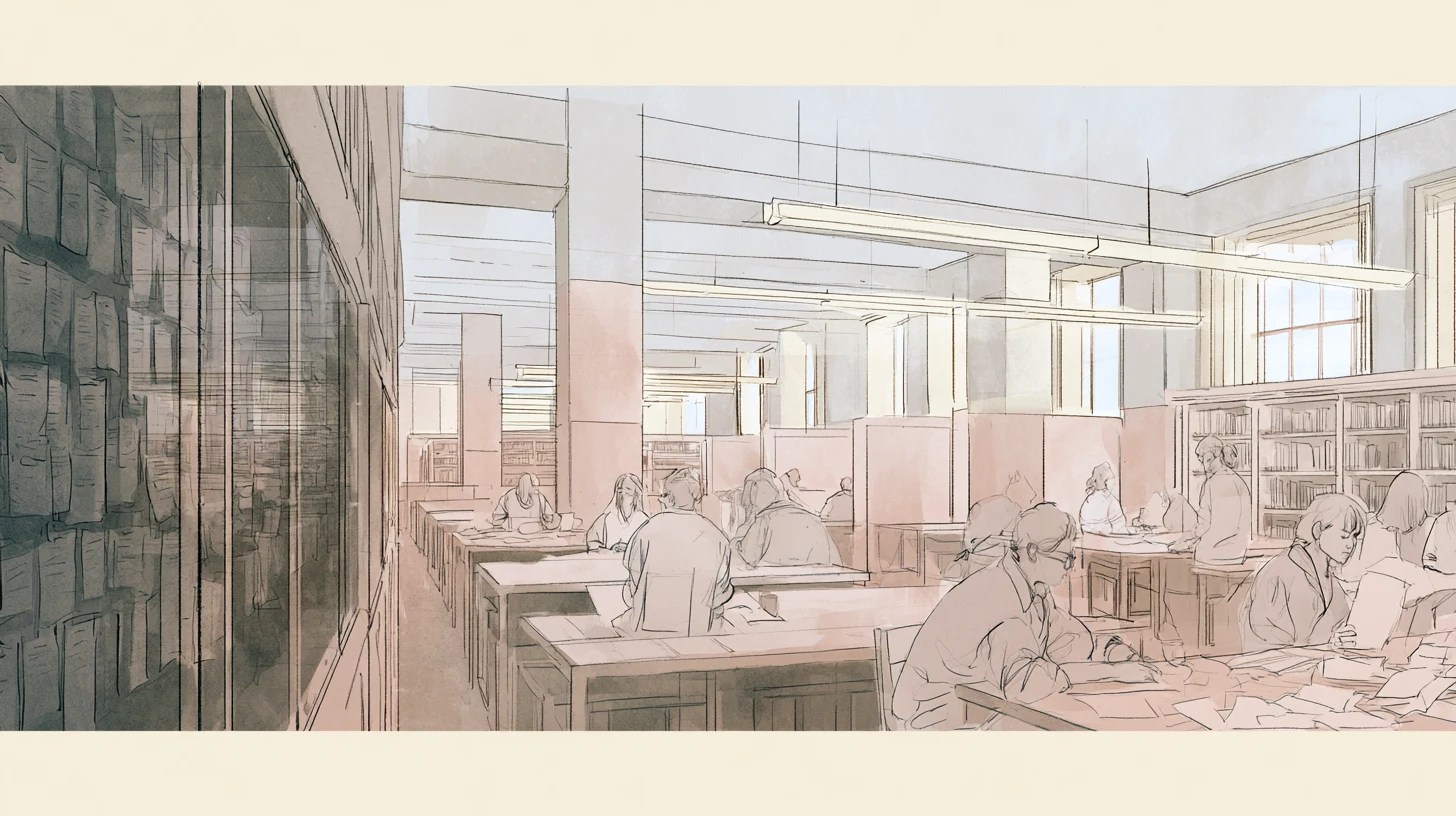
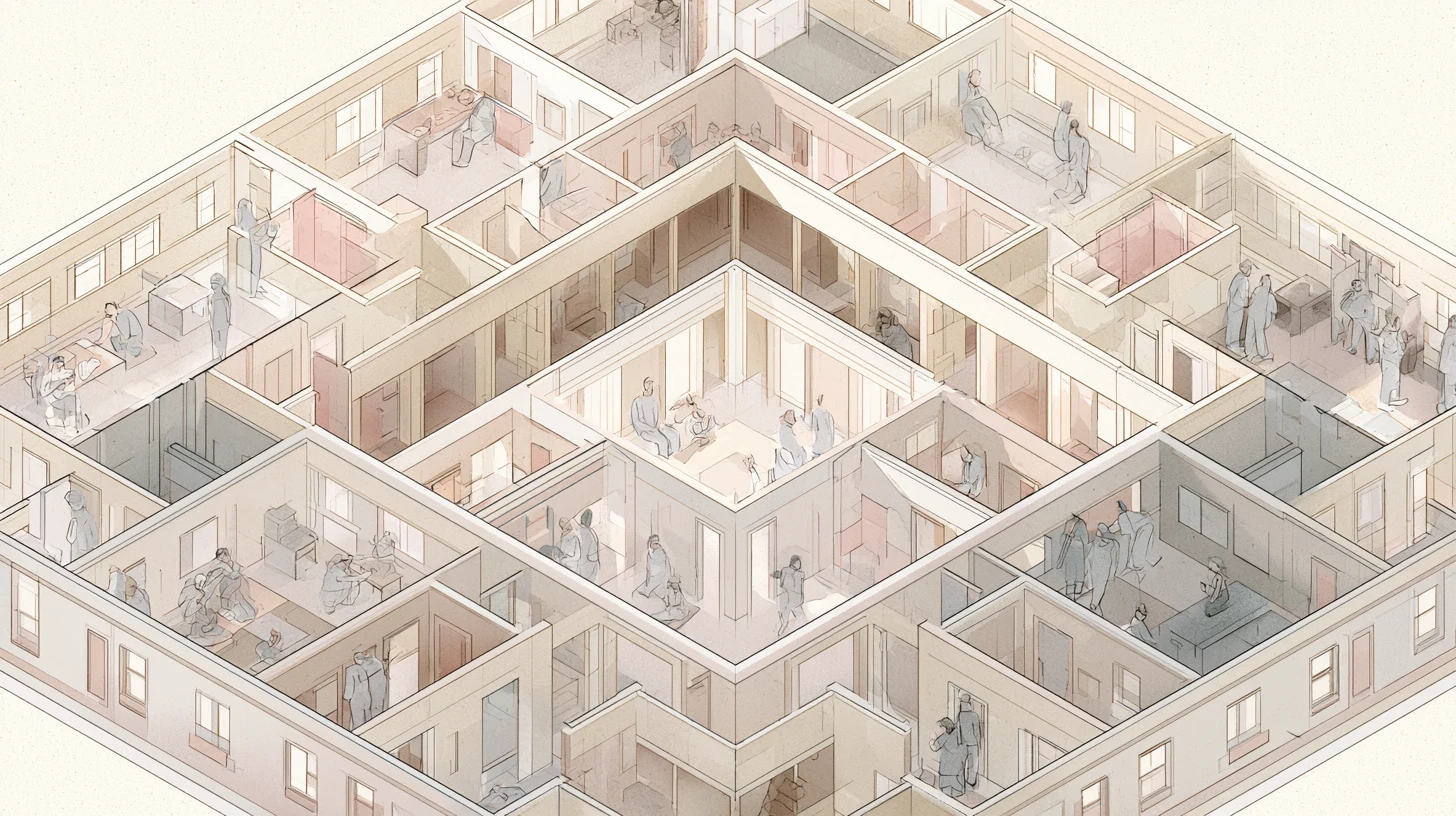
You get back what you put in by shaping the conditions others live inside, accepting delayed, quiet, or indirect returns instead of demanding visible validation.
Theme
A theme hub for community, gathering recovery concepts, recovery maxims, and recovery terminology that return to recovery, philosophy, participation, structure, and becoming from different depths.
Theme pages gather related recovery writing, philosophical essays, syntheses, and creative work into archive paths. They are meant to make conceptual relationships visible without reducing the writing to categories alone.
Recovery concept · Saturday, July 25, 2026
You get back what you put in by shaping the conditions others live inside, accepting delayed, quiet, or indirect returns instead of demanding visible validation.
Recovery maxim · Saturday, July 25, 2026
Recovery becomes real and endures only when it moves from private conviction into consistent, inconvenient conduct that benefits others without demanding recognition.
Recovery concept · Tuesday, July 7, 2026
Valid confrontation separates truth-telling from aggression so discomfort can become a signal to examine defended behavior rather than proof of harm.
Recovery concept · Monday, June 29, 2026
Confrontation becomes valid when it names reality early from a motive of care, turning discomfort into accountable correction that protects people and structure from quiet damage.
Recovery maxim · Monday, June 29, 2026
Recovery stays alive when I stop treating it as a private benefit and let what I receive circulate through honest, humble participation and shared responsibility.
Recovery maxim · Tuesday, June 16, 2026
Isolated thinking turns distortion into private truth, while honest participation in community interrupts that world, restores accuracy, and makes grounded accountability possible.
Recovery maxim · Tuesday, June 2, 2026
Recovery deepens when self-reliance gives way to honest participation in shared structures that expose distortion, expand perspective, and make accountability and course correction more likely than isolation can on its own.
Recovery maxim · Sunday, May 31, 2026
Change in recovery emerges less from adding a new self than from repeatedly releasing familiar patterns that no longer serve growth and practicing different behavior long enough for identity to quietly realign.
Recovery maxim · Thursday, May 28, 2026
Recovery principles like honesty, accountability, and humility become stable and integrated not by being privately guarded but by being repeatedly expressed, tested, and shared in real participation with others, while isolation and emotional leaking quietly weaken that growth.
Recovery maxim · Thursday, April 30, 2026
A reflection on how structure, accountability, and shared systems provide stability and correction beyond individual perspective.
Recovery maxim · Friday, April 17, 2026
A reflection on how engaging with others expands capacity through feedback, correction, and shared structure.
Recovery maxim · Saturday, April 4, 2026
Trusting the environment means relying on structure, accountability, and connection even when emotions feel unstable.
Recovery maxim · Friday, April 3, 2026
Connection is not only support—it is correction. Recovery helps interrupt isolation by restoring accountability, honesty, and shared reality.
Recovery terminology · Tuesday, July 21, 2026
Community / Family / House means my daily behavior shapes a shared recovery space others must heal inside, calling me into mutual responsibility, accountable love, and structure.
Recovery terminology · Saturday, July 18, 2026
Peers become equal participants, not props or tests, whose needs, limits, and imperfect feedback show how consistently I practice humility, regulation, and accountability.
Recovery terminology · Wednesday, July 8, 2026
Negative contract names the quiet agreements, with others and with myself, to trade truth for comfort and protect sickness from confrontation until recovery breaks that deal.
Recovery terminology · Monday, June 29, 2026
Community, family, and house name a shared recovery environment where my moods, honesty, and effort always shape the atmosphere and call me into accountable participation.
Recovery terminology · Thursday, June 18, 2026
Holding your belly is the disciplined gap between feeling and expression where you contain strong reactions, question their meaning, and choose responsible timing and impact.
Recovery terminology · Sunday, May 31, 2026
Recovery environments function as systems of mutual influence where my repeated attitudes and behaviors both shape and are shaped by the shared atmosphere, turning community, family, and house into active structures of accountability and growth rather than passive backdrops to individual change.
Recovery terminology · Sunday, April 5, 2026
A reflection on the interconnected layers of recovery support and responsibility through community, family, and structured living.
Recovery terminology · Monday, March 30, 2026
A reflection on peers as sources of accountability, honesty, support, and shared understanding within recovery.